 Comparison
Spinal Decompression Therapy Cost Guide 2026
Table of Contents
- What Spinal Decompression Therapy Costs: Overview
- Non-Surgical Spinal Decompression Cost: What to Expect
- Spinal Decompression Therapy Cost Per Session
- How Many Spinal Decompression Therapy Sessions Are Needed
- Spinal Decompression Therapy Insurance Coverage and Out-of-Pocket Costs
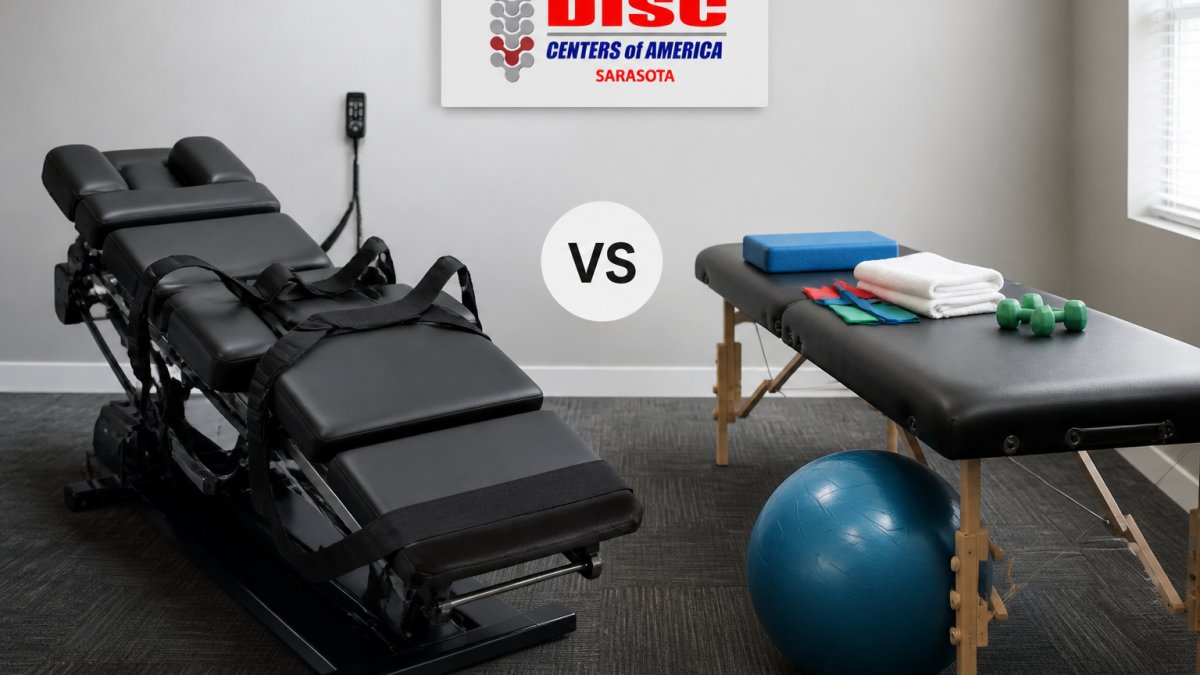
- Non-Surgical vs. Surgical Decompression: Cost Comparison
- What to Ask Before Starting Treatment
- Is Spinal Decompression Therapy Worth the Cost
- Frequently Asked Questions
Last Updated: October 17, 2026
What Spinal Decompression Therapy Costs: Overview
Spinal decompression therapy cost varies widely by clinic, treatment protocol, and insurance coverage. Understanding the financial landscape before starting treatment helps you plan and avoid surprises.
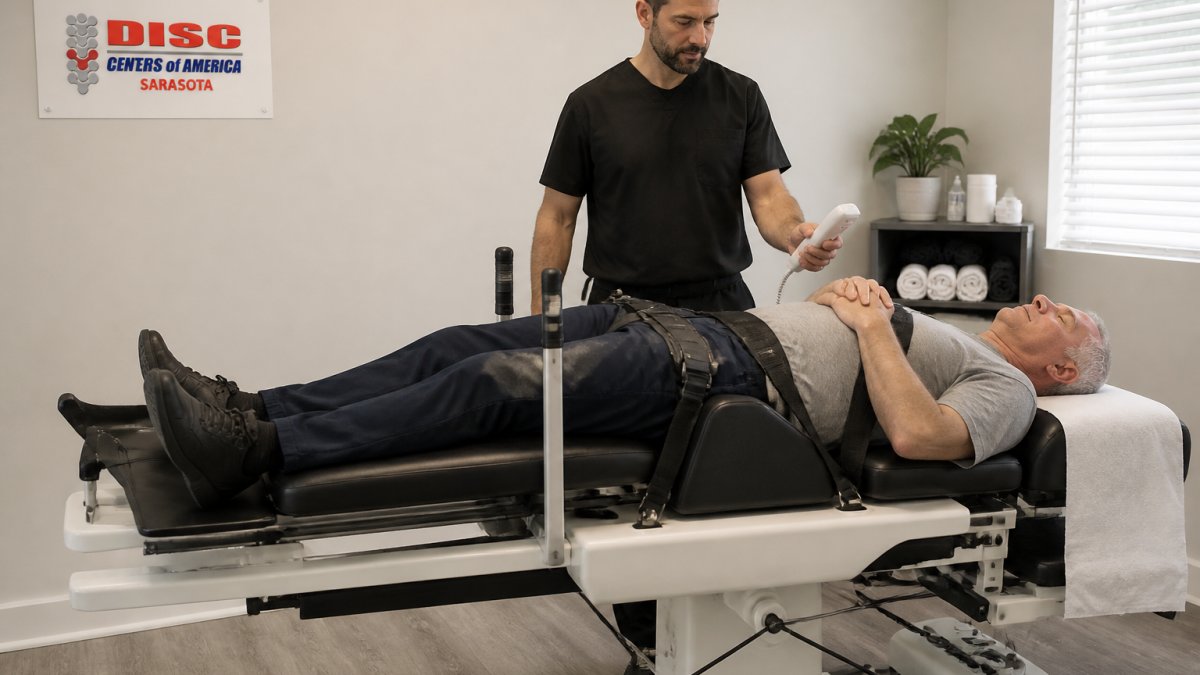
Pricing reflects the equipment used, number of sessions required, whether additional therapies are bundled in, and your geographic location. Most clinics charge either a per-session fee or a package price for a complete course.
At Sarasota Disc Center, we focus on personalized care rather than one-size-fits-all pricing, so your actual cost depends on your condition severity and treatment response.
Consider spinal decompression therapy an investment in avoiding surgery and its extended recovery time. Many patients find the commitment worthwhile compared to surgical alternatives, which carry higher costs, risks, and downtime.
Non-Surgical Spinal Decompression Cost: What to Expect
Non-surgical spinal decompression therapy offers a conservative treatment path without the expenses associated with surgery. The cost structure differs significantly from surgical interventions, which can exceed $50,000 when accounting for operating room fees, surgeon costs, anesthesia, and hospital stays.
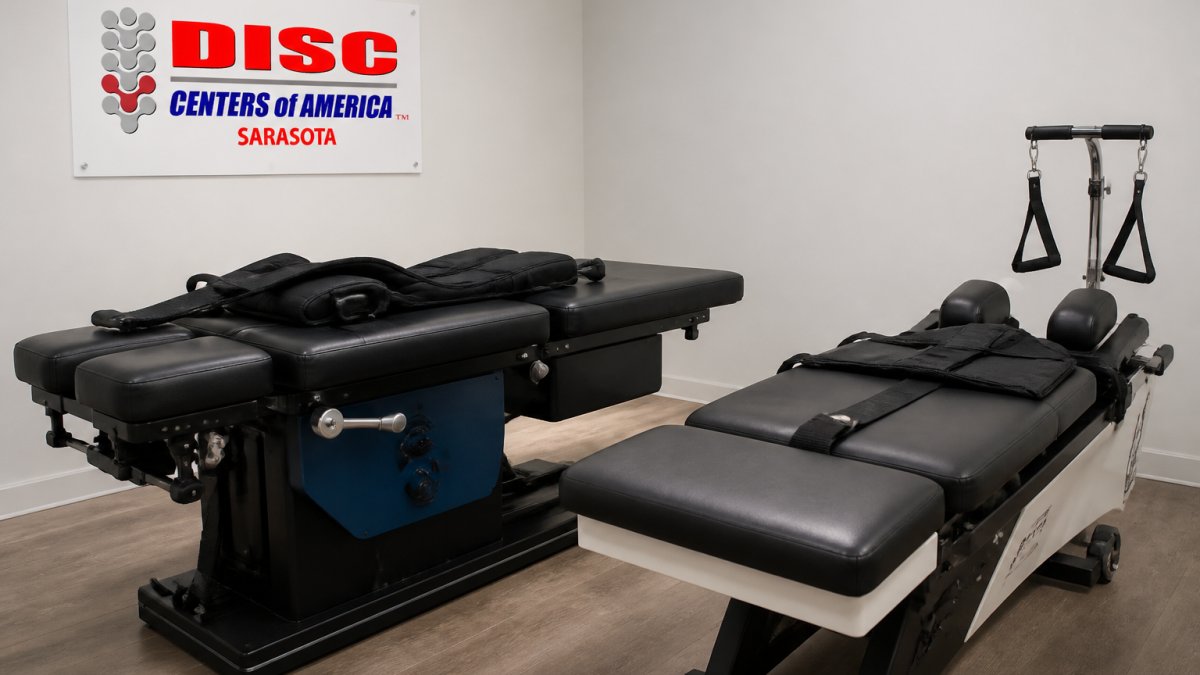
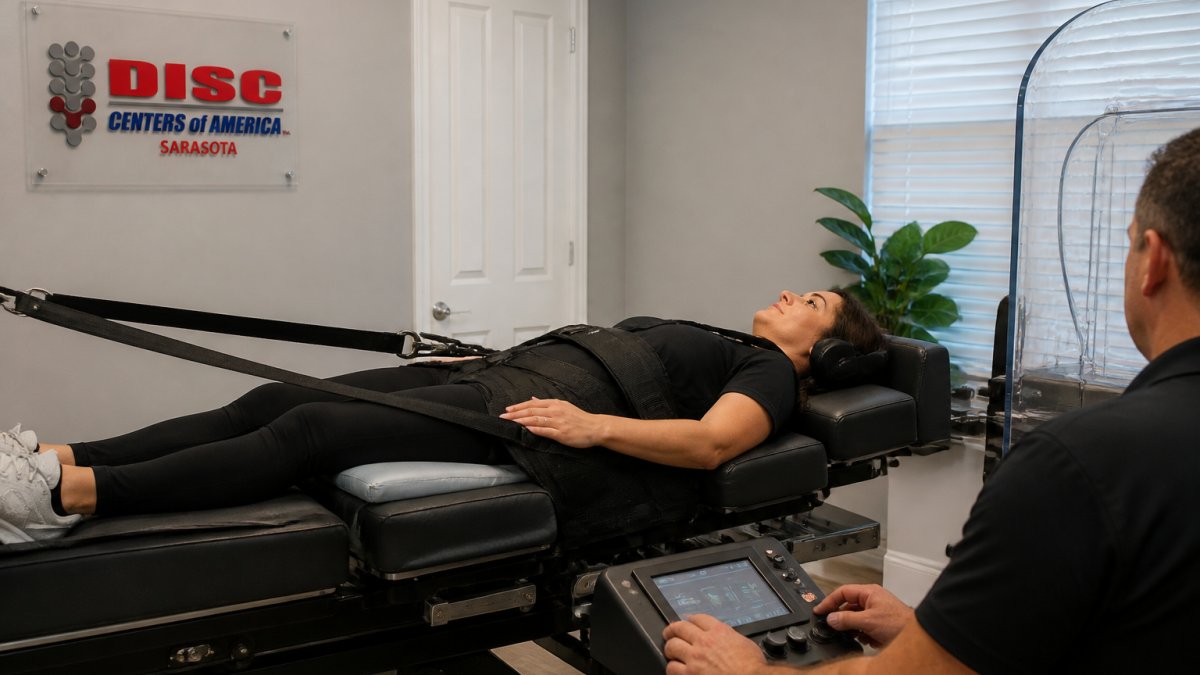
Non-surgical decompression uses mechanical traction through specialized equipment to gently separate spinal vertebrae and reduce pressure on discs and nerves, allowing many patients to achieve meaningful relief without surgical risks.
The financial advantage extends beyond session cost: you avoid time away from work, reduce the risk of post-surgical complications, and maintain your natural spinal structure. For working professionals and active individuals, these factors often justify the upfront investment.
Most clinics use FDA-cleared decompression tables. Clinics with newer or more advanced equipment may charge more per session.
Spinal Decompression Therapy Cost Per Session
Understanding per-session pricing helps you calculate what a full treatment course might cost at your chosen clinic.
Session prices reflect the overhead of specialized equipment, trained staff, and facility standards. A single session usually lasts 20-45 minutes, though actual table time is often shorter, with additional time for assessment and complementary therapies.
When comparing clinics, ask whether the quoted per-session price includes all components of your visit or whether additional services like physical therapy, stretching protocols, or cold laser therapy are charged separately. This distinction significantly impacts your total cost.
Factors That Affect Session Pricing
Geographic location plays a role, with urban areas and higher cost-of-living regions typically charging more than rural areas, even for identical services.
Newer equipment with advanced computerized controls may command higher per-session fees than older mechanical systems. Your treatment protocol also matters: more intensive traction settings or longer sessions may be billed at a higher rate.
Clinic overhead, facility costs, staff salaries, equipment maintenance, directly impacts pricing. Bundled therapies such as therapeutic exercises or complementary modalities also affect per-session cost.
How Many Spinal Decompression Therapy Sessions Are Needed
Session count varies by condition severity, symptom duration, and how your body responds, a critical variable for calculating total treatment cost.
Most patients require 15-30 sessions. Some see meaningful improvement within the first 10-15, while others benefit from the full course. Your clinic should provide a treatment plan estimate specifying the expected number of sessions based on your diagnosis and initial response.
Sessions typically occur 2-4 times per week, so a 20-session course might span 5-10 weeks. This frequency lets your body respond while maintaining consistency in the therapeutic effect.
Your plan isn't fixed. Many clinics reassess at the midpoint and adjust the remaining session count: fewer sessions if you improve early, more if progress is slower.
More sessions mean higher total expense. However, completing a full recommended course typically costs less per session than stopping early and restarting later.
Spinal Decompression Therapy Insurance Coverage and Out-of-Pocket Costs
Insurance coverage varies significantly by plan, insurer, and whether your condition meets medical necessity criteria. Understanding your coverage beforehand prevents unexpected bills.
Many plans require pre-authorization. Your clinic typically submits documentation, diagnosis, imaging results, and medical history showing conservative treatments were attempted, and the insurer evaluates whether your case meets its criteria.
Medicare coverage exists under specific conditions; your clinic can help determine whether you qualify. Private plans vary widely, some cover it under orthopedic or chiropractic benefits, while others classify it as experimental or non-covered.
Medicare and Insurance Reimbursement
Medicare-approved amounts exist, but coverage depends on your condition and whether your provider is enrolled in Medicare. Your out-of-pocket responsibility depends on your deductible and coinsurance.
Private insurance works similarly. Your insurer sets an allowed amount; if the clinic's charge exceeds it (assuming in-network care), you're typically not responsible for the difference, only your share based on your plan's cost-sharing.
CALL TODAY TO SCHEDULE YOUR FREE CONSULTATION →
Some plans require documentation that you've completed physical therapy or other conservative treatments before approving spinal decompression, ensuring the therapy is medically appropriate.
Deductibles, Coinsurance, and Your Responsibility
Your out-of-pocket cost depends on your deductible, coinsurance percentage, and copay structure. Until your annual deductible is met, you pay the full allowed amount; afterward, you typically pay a coinsurance percentage (commonly 10-20%).
Some patients have secondary insurance that covers portions of what their primary insurance doesn't, reducing their out-of-pocket responsibility. If you have secondary coverage, inform your clinic so they can file with both insurers in the correct sequence.
For patients without insurance or with plans that don't cover spinal decompression, the full per-session cost becomes your responsibility. Many clinics offer payment plans or financing options to make treatment more accessible. Ask whether your clinic accepts third-party financing or offers in-house payment arrangements.
Non-Surgical vs. Surgical Decompression: Cost Comparison
Comparing the financial impact of non-surgical versus surgical spinal decompression reveals why many patients choose conservative treatment first. Surgical spinal decompression involves substantially higher costs and extended recovery periods.
Surgical decompression requires operating room time, surgeon fees, anesthesia, hospital facility charges, and often post-operative imaging and follow-up care. These costs can be substantial depending on the complexity of the procedure and your geographic location.
Non-surgical spinal decompression therapy costs a fraction of surgical intervention while allowing you to continue working and maintain your normal daily activities. You attend treatment sessions on an outpatient basis, typically lasting 30-45 minutes per visit. Most patients continue working throughout their treatment course.
The recovery timeline also differs dramatically. Non-surgical decompression therapy requires no recovery period beyond perhaps some mild soreness after initial sessions. Surgical decompression requires weeks of restricted activity, physical therapy, and gradual return to normal function. For patients in physically demanding jobs, the extended recovery from surgery may be financially devastating beyond the surgical costs themselves.
| Factor | Non-Surgical Decompression | Surgical Decompression |
|---|---|---|
| Typical total cost | Varies | Substantially higher |
| Session/procedure time | 30-45 minutes | 1-3 hours |
| Recovery time | None | 6-12 weeks |
| Work interruption | None (outpatient) | 6-12+ weeks |
| Infection risk | Minimal | Moderate to high |
| Revision surgery risk | N/A | Present |
| Insurance coverage | Often covered | Usually covered |
What to Ask Before Starting Treatment
Before committing to spinal decompression therapy, gather specific information about costs, expectations, and what's included in quoted prices. Asking the right questions protects you financially and sets realistic expectations.
Ask your clinic for a written treatment plan that includes the recommended number of sessions, the frequency of visits, and the total estimated cost.
Understand the clinic's policy on treatment effectiveness. What happens if you don't see improvement after 10 sessions? Can you pause treatment and resume later, or does the treatment plan reset? Ask about refund policies if you're unsatisfied with results or if your condition worsens during treatment.
Inquire about your clinic's experience with your specific condition. How many patients with herniated discs, sciatica, or degenerative disc disease has the clinic treated? What percentage achieve meaningful improvement? At Sarasota Disc Center, we believe you deserve to make informed decisions.
Ask whether your insurance requires pre-authorization and whether the clinic handles the authorization process. Clarify your expected out-of-pocket cost based on your specific insurance plan. If you don't have insurance, ask about payment plan options and whether the clinic offers discounts for upfront payment or multiple-session packages.
Is Spinal Decompression Therapy Worth the Cost
Evaluating whether spinal decompression therapy represents good value requires comparing it to your alternatives and considering both financial and quality-of-life factors. The decision is personal, but several considerations inform the analysis.
If you've exhausted conservative options like physical therapy, medication, and chiropractic care without meaningful relief, spinal decompression therapy offers a next step before considering surgery. The cost of avoiding surgery, in terms of both money and recovery time, often justifies the investment in decompression therapy.
For patients with chronic pain lasting months or years, the cost of continued suffering in terms of lost productivity, reduced quality of life, and ongoing medication expenses can exceed the cost of a focused treatment course.
The evidence supporting spinal decompression therapy effectiveness continues to develop. Patients with disc-related symptoms, herniated discs, bulging discs, degenerative disc disease, may experience meaningful improvement.
Consider also the alternatives. Chronic pain management through medication involves ongoing costs and potential side effects. Epidural injections provide temporary relief but require repeated procedures. Surgery offers potential long-term relief but carries risks and requires extended recovery.
Chronic back and neck pain shouldn't force you to choose between suffering and surgery.
Frequently Asked Questions
How much does non-surgical spinal decompression therapy cost?
Per-session costs for non-surgical spinal decompression therapy vary, depending on the clinic, location, equipment used, and your condition's complexity. A complete treatment program generally depends on the number of sessions recommended. Most patients require 15 to 30 sessions, though this varies. Your actual cost depends on your insurance coverage, deductible, and whether the clinic offers financing options. Contact your provider for a written estimate tailored to your treatment plan.
Does insurance cover spinal decompression therapy sessions?
Insurance coverage for spinal decompression therapy varies by plan and carrier. Many insurance companies require documentation that conservative treatments (physical therapy, medication) have failed before approving coverage. Medicare may cover spinal decompression in certain cases, though coverage is not guaranteed. Your out-of-pocket responsibility depends on your deductible, coinsurance percentage, and whether the treatment is deemed medically necessary. Contact your insurance provider with your diagnosis and treatment plan to determine your coverage and estimated costs before starting therapy.
How many spinal decompression therapy sessions will I need?
The number of spinal decompression therapy sessions typically ranges from 6 to 30, with most patients completing 15 to 30 sessions as part of their full treatment course. The exact number depends on your condition's severity, how long you've had symptoms, your age, and how well your body responds to treatment. Your healthcare provider will develop a personalized treatment plan after reviewing your medical history and imaging results. Session frequency often decreases as you progress. A written estimate should specify the recommended number of sessions before you begin.
How does non-surgical spinal decompression compare in cost to surgical decompression?
Non-surgical spinal decompression therapy costs vary for a full treatment course, while surgical spinal decompression can be substantially more, including hospital fees, anesthesia, and surgeon costs. Non-surgical treatment avoids the expense and recovery time of surgery, making it an attractive first option for patients who haven't found relief through physical therapy or medication. However, if surgery becomes necessary later, the cost difference is substantial. Many patients choose non-surgical decompression first to explore conservative treatment before considering the financial and physical burden of surgery.
What factors affect the total cost of my spinal decompression therapy?
Several factors influence your total treatment cost: the number of sessions recommended (typically 15 to 30), your clinic's per-session fee, the specific equipment used, your geographic location, whether additional therapies like cold laser or shockwave therapy are included, your insurance coverage and deductible, and whether the clinic offers payment plans or financing. Your condition's severity and how long you've had symptoms also affect the treatment duration. Request a detailed written estimate that breaks down the per-session cost, total program cost, and what's included in your treatment package before you commit.