 How-to
How to Find Relief After Failed Back Surgery
Quick Summary
Relief after failed back surgery usually comes from a structured evaluation followed by a layered plan. Failed back surgery syndrome describes pain that persists, returns, or changes after an operation. Clinicians typically combine physical therapy, medication, nerve-targeted injections, and behavioral care before considering further procedures.
- Pain may persist after surgery, and a structured evaluation is the first step.
- Nerve symptoms like shooting pain, numbness, or weakness should be checked directly by a doctor.
- Loss of bladder or bowel control or numbness in the groin needs emergency care right away.
- Most plans combine several approaches, since no single fix usually ends the pain.
- Bring operative reports, imaging, a medication list, and a pain diary to any second opinion.
Table of Contents
- How to Find Relief After Failed Back Surgery
- What Failed Back Surgery Syndrome Means and Why Pain Persists
- Symptoms of Nerve Damage After Back Surgery
- Urgent Warning Signs to Act on Right Away
- How Clinicians Evaluate Pain That Continues After Surgery
- Pain Management for Failed Back Surgery Syndrome
- Failed Back Surgery Syndrome Treatment: Nonsurgical and Surgical Options
- How to Relieve Back Pain After Surgery Day to Day
- Booking Your Next Evaluation and Preparing for a Second Opinion
- Frequently Asked Questions
How to Find Relief After Failed Back Surgery
Last Updated: November 14, 2026
What Failed Back Surgery Syndrome Means and Why Pain Persists
Failed back surgery syndrome (FBSS) describes ongoing or returning back or leg pain after a spinal operation. Many people expect surgery to end their pain, so this outcome can feel discouraging.
FBSS is a broad term. It covers patients whose pain continued, returned, or changed in character after surgery.
- Pain that never fully went away after surgery
- Pain that improved, then came back
- Leg pain, numbness, or tingling that persists
- New pain in a different spot than before
Persistent pain is common enough that specialists study it closely. A structured evaluation is the first step toward a clear plan.
Symptoms of Nerve Damage After Back Surgery
Nerve-related pain is one of the most common reasons pain continues after surgery. It often feels different from simple muscle soreness. Many people describe it as sharp, burning, electric, or shooting.
Watch for these signs that may point to nerve involvement:
- Shooting or burning pain down one or both legs
- Numbness or tingling in the feet, toes, or buttocks
- Weakness when lifting the foot or standing on your toes
- Pain that worsens when sitting, coughing, or bending
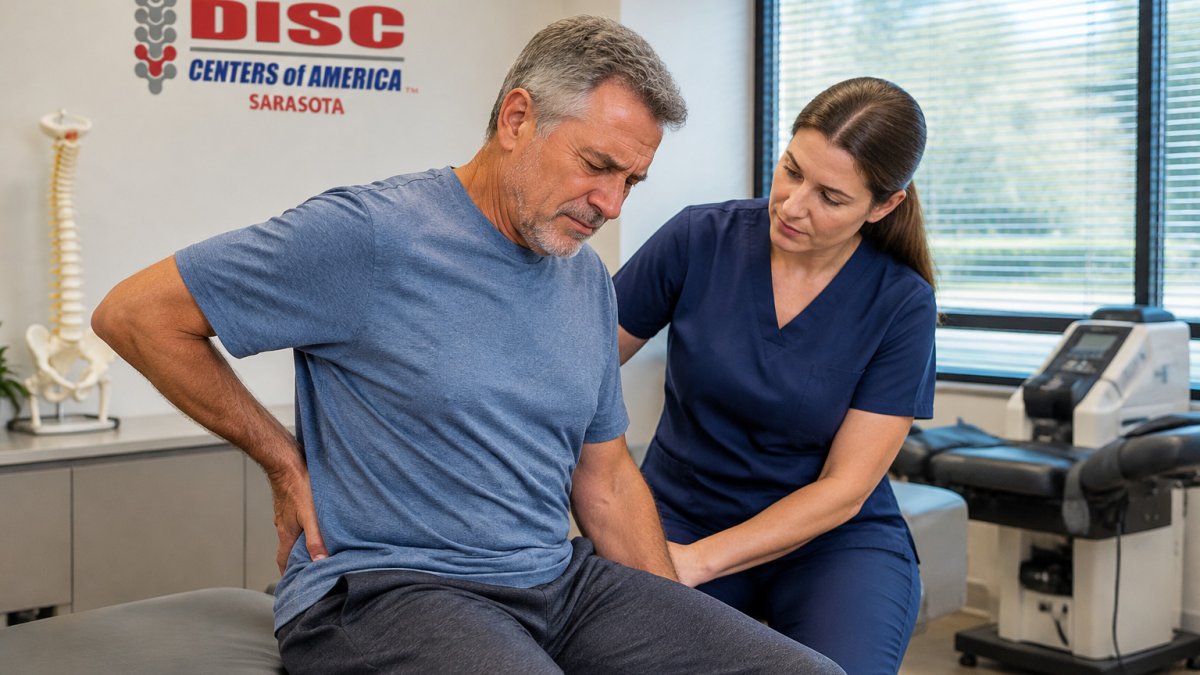
Nerve symptoms do not always mean the surgery failed. They do mean your doctor should check the nerves directly. Tell your care team exactly where you feel symptoms and when they started.
Urgent Warning Signs to Act on Right Away
Some symptoms after back surgery need emergency care right away. Do not wait for a scheduled appointment if you notice any of the following:
- Loss of bladder or bowel control
- Numbness in the groin or inner thighs
- Sudden or fast-growing leg weakness
- Fever with back pain, especially after a recent procedure
- Redness, drainage, or swelling at the surgical site
Call 911 or go to the nearest emergency room if these signs appear. Fast action protects your nerves and your health. These warnings are general information, not a diagnosis, so always let a medical professional evaluate new or worsening symptoms.
How Clinicians Evaluate Pain That Continues After Surgery
A good evaluation looks at your whole history, not just one scan. Your provider will likely ask about your original problem, your surgery, and how your pain has changed since.
A typical evaluation includes:
- A detailed review of your medical and surgical history
- A physical exam to test strength, reflexes, and sensation
- Imaging, such as an MRI or CT scan, to look for a structural cause
- Review of past records and earlier scans for comparison
Imaging helps identify scar tissue, disc problems, or nerve pressure. However, scans do not always match how you feel. The exam and your symptoms matter just as much.
Bring a written list of your symptoms, medications, and past treatments to your appointment. This helps the clinician build a clear picture quickly.
Pain Management for Failed Back Surgery Syndrome
Pain management focuses on reducing pain and helping you function better. It rarely means a single fix. Most plans combine several approaches working together.
Common pain management tools include:
- Pain medication, used under a doctor's supervision
- Nerve-targeted injections, when appropriate
- Behavioral strategies, such as relaxation and pacing
- Physical therapy and rehabilitation
Medication can help, but it carries risks, including side effects and dependence (the CDC). Ask your doctor how each option fits your health history. Set realistic goals, like sleeping better or walking farther, rather than expecting pain to vanish completely.
Failed Back Surgery Syndrome Treatment: Nonsurgical and Surgical Options
Many people with failed back surgery syndrome (FBSS) start with nonsurgical care, and some never need another operation. The goal is not a single cure but a stack of approaches that together improve function, sleep, and pain control. A realistic plan sequences these options and sets a checkpoint to judge whether each one is working.
Nonsurgical options and what to expect
- Physical therapy and graded exercise. A therapist typically builds strength in the hips, core, and back while teaching pacing and body mechanics. Meaningful change often takes several weeks of consistent work, not a few sessions. The trade-off is time and effort; the benefit is durable function without procedural risk.
- Medication management. Options range from nonsteroidal anti-inflammatory drugs and acetaminophen to nerve-pain agents such as gabapentinoids or certain antidepressants, and in some cases short courses of opioids under close supervision. Each carries side effects, drowsiness, dizziness, stomach irritation, or dependence risk with opioids, so the dose and duration matter as much as the drug.
- Nerve-targeted injections. Epidural steroid injections or nerve blocks can calm inflammation around a nerve root. Relief is often temporary, and your clinician can explain how repeat injections fit your plan. They are best used to open a window for physical therapy rather than as a standalone fix.
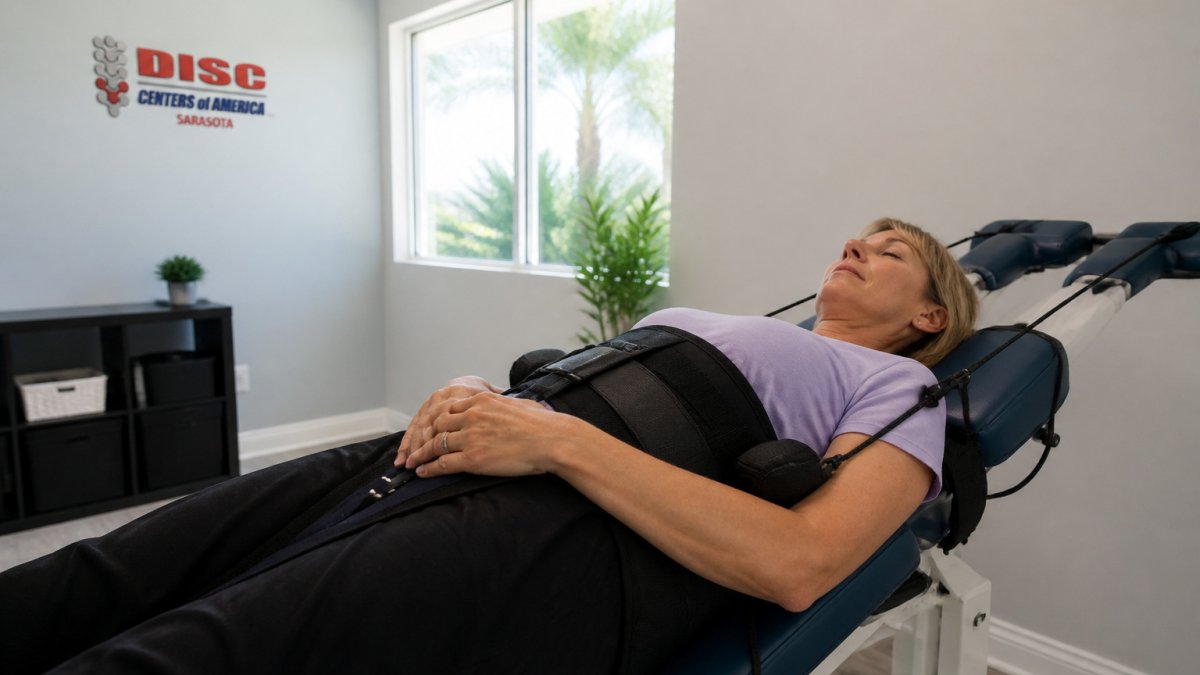
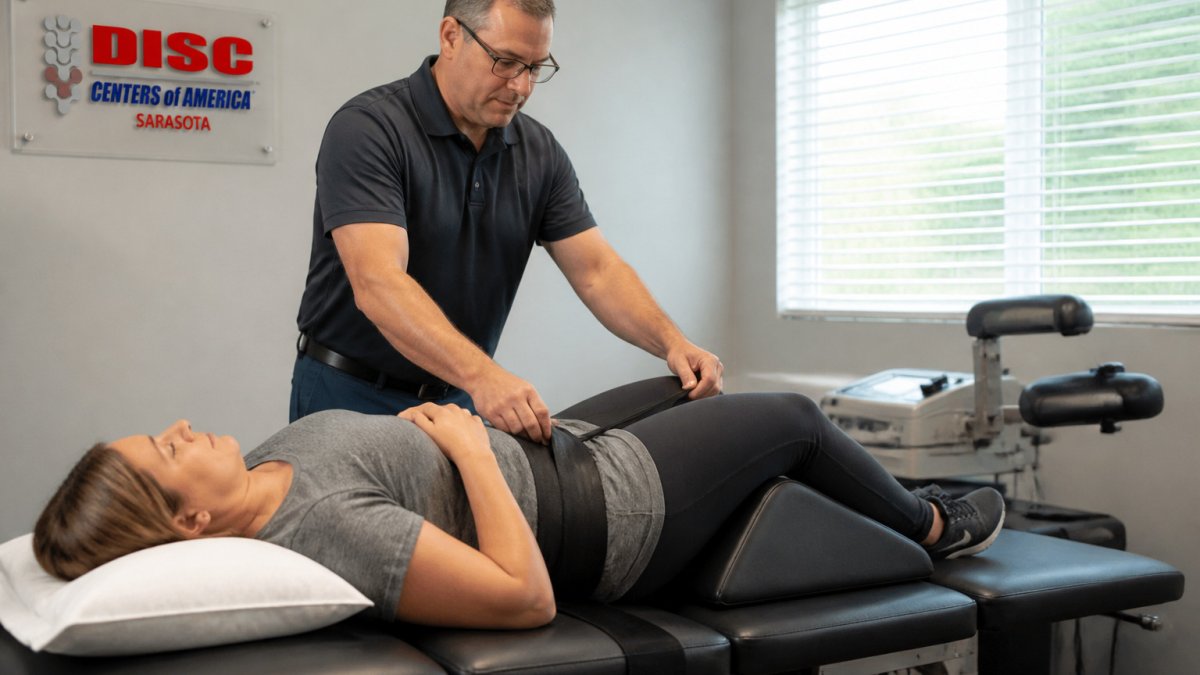
- Nonsurgical spinal decompression. Gentle traction is used to reduce pressure on discs and nerves. Results vary by diagnosis, so ask whether your specific imaging findings make you a reasonable candidate.
- Behavioral and psychological care. Cognitive behavioral therapy for pain, relaxation training, and sleep coaching address the nervous-system side of persistent pain. These are not "just talking", they change how the brain processes pain signals and are often paired with physical therapy.
Surgical and device-based options
- Spinal cord stimulation (SCS). A small implanted device sends mild electrical pulses to the spinal cord to mask pain signals. The trade-off is an implant procedure and device follow-up, and relief varies from person to person.
- Revision or corrective surgery. This is considered when imaging and exam point to a clear structural problem, such as a recurrent disc herniation, hardware issue, or nerve compression, that a second operation could plausibly fix. Revision surgery carries higher risk and longer recovery than a first operation, and outcomes are less predictable, so it deserves a careful second opinion.
| Option | Typical time to judge response | Main trade-off |
|---|---|---|
| Physical therapy | 6-12 weeks | Consistent effort required |
| Medication management | Days to weeks | Side effects and dependence risk |
| Nerve-targeted injections | Days to a few months of relief | Temporary; repeat limits |
| Nonsurgical decompression | Several weeks of sessions | Mixed evidence; varies by diagnosis |
| Spinal cord stimulation | Trial period, then implant | Implant procedure and follow-up |
| Revision surgery | Months of recovery | Higher surgical risk; less predictable |
How to weigh the trade-offs
Ask three questions about any option: What is the realistic chance it helps me, how long before I know, and what do I give up if it does not work? A treatment that offers a 30% chance of partial relief may still be worth trying if the risks are low; a higher-risk option deserves stronger evidence that the source of your pain has been identified. Shared decision-making means your clinician explains the reasoning, not just the recommendation.
Watch out: do not let a good week on a new treatment convince you to stop the rest of your plan, most gains come from combining approaches, and stopping physical therapy or behavioral care too early is a common reason progress stalls. When progress stalls despite a consistent plan, looking closely at the reasons physical therapy failed can help identify what needs to change before you give up on rehabilitation.
How to Relieve Back Pain After Surgery Day to Day
Daily habits can ease pain between appointments. Small changes often help more than people expect.

- Walk for short periods several times a day
- Change positions every 30 to 45 minutes
- Use a supportive pillow when sleeping on your side
- Avoid heavy lifting until your provider clears you
- Use heat or ice as your provider recommends
Pace your activities. Pushing too hard on good days often leads to flare-ups. Keep a simple pain diary to spot patterns in what helps and what worsens symptoms.
Stretching mat, resistance band and folded towel on a clinic floor beside a window, soft morning light [IMAGE placement follows this section's opening paragraph.]
Booking Your Next Evaluation and Preparing for a Second Opinion
A second opinion is not a sign that you distrust your surgeon, it is a standard step when pain persists after spine surgery.
What to gather before the appointment
- Operative reports from every spine surgery, including dates and exactly what was done
- Imaging discs and reports, MRI, CT, and X-rays, ideally including scans from before and after surgery for comparison
- A current medication list with doses, including over-the-counter drugs and supplements
- A pain diary noting where pain occurs, what makes it better or worse, and how it affects sleep and activity
- Names of prior treatments and how you responded, including physical therapy, injections, and medications
- Insurance card and referral paperwork, if your plan requires one
Questions worth asking
- What is the most likely source of my pain, and how confident are you in that assessment?
- Which findings on my imaging actually explain my symptoms, and which are incidental?
- What nonsurgical options have not been tried, and in what order would you try them?
- If surgery is an option, what is the realistic chance it helps, and what are the risks of a revision?
- How long should I give a treatment before deciding whether it is working?
- What warning signs should send me back sooner rather than later?
What a good second opinion looks like
A thorough evaluation revisits your history, performs a physical exam, and reviews imaging rather than relying on the report alone.
Sarasota Disc Center, led by Dr. You can ask a question before booking if you have concerns about your situation. To see what the assessment involves, read about the clinic evaluation process. If you are preparing to schedule, this step-by-step consultation guide explains what to bring.
For broader background on chronic sciatica options, see this sciatica relief overview. Your next step should match your symptoms, goals, and medical history.
Frequently Asked Questions
Can pain come back after back surgery? Yes.
Is spinal decompression an option after failed surgery? It may be, depending on your condition.
Frequently Asked Questions
What is the treatment for failed back surgery syndrome?
Treatment for failed back surgery syndrome is usually multidisciplinary and starts with nonsurgical care such as physical therapy, medication management and, in some cases, nerve-targeted procedures. Surgery is sometimes considered for a specific structural cause, such as a recurrent disc herniation or instability, but it is not always the right next step. A doctor who evaluates your history, examination and imaging can help you understand which options fit your situation. Pain management for failed back surgery syndrome often combines several approaches over time.
How can I relieve back pain after surgery?
Relief after back surgery usually comes from a combination of activity pacing, gentle movement, prescribed exercises and medication guidance from your care team. Avoid long periods of rest, which can stiffen tissues, but also avoid pushing through sharp pain. Keep a simple daily log of what triggers flare-ups and what eases them, and bring it to your appointments. Any new weakness, numbness or bladder or bowel changes needs prompt medical attention rather than self-management.
What are the symptoms of nerve damage after back surgery?
Nerve-related symptoms after back surgery can include shooting or burning pain down a leg or arm, numbness, tingling, muscle weakness and changes in reflexes. Symptoms that worsen over time, or that appear suddenly with loss of bladder or bowel control, need urgent evaluation. Nerve symptoms do not always mean a new problem, but they should always be assessed by a qualified clinician who can review your history, examination and imaging.
When should I seek medical care for pain after back surgery?
Seek medical care promptly if pain is getting worse rather than gradually improving, if you develop fever, new weakness in a leg, numbness in the groin or saddle area, or any loss of bladder or bowel control. These can signal infection or serious nerve compression. For ongoing pain that does not respond to your current plan, schedule a follow-up to review your options rather than waiting. A second opinion can also help if you feel your concerns are not being fully addressed.