 how-to
Book a Spinal Decompression Consultation: Step-by-Step Guide
Table of Contents
- What Is Non-Surgical Spinal Decompression?
- How Spinal Decompression Works and Who Benefits
- Candidacy for Spinal Decompression: Are You a Good Fit?
- What to Expect at a Chiropractic Consultation
- Spinal Decompression Treatment Duration and Session Structure
- How to Book Your Spinal Decompression Consultation
- Spinal Decompression vs. Surgery: Why Conservative Care Matters
- Insurance, Billing, and Payment Considerations
- Frequently Asked Questions
Last Updated: September 28, 2026
What Is Non-Surgical Spinal Decompression?
Non-surgical spinal decompression is a therapeutic treatment designed to relieve pressure on spinal nerves and discs without requiring surgery. The procedure uses controlled mechanical traction to gently stretch the spine, creating negative intradiscal pressure that can help retract bulging or herniated discs and reduce nerve compression. This conservative approach targets the source of pain rather than masking symptoms with medication or injections.
At Sarasota Disc Center, we specialize in helping patients understand how spinal decompression works as a pathway to lasting relief. The treatment has been used for decades to address conditions like sciatica, cervical radiculopathy, and degenerative disc disease. Unlike chiropractic adjustments alone, spinal decompression uses motorized traction applied in specific angles and durations to create the mechanical environment needed for disc healing.
The key distinction is that this isn't a one-time adjustment. It's a treatment protocol, a series of therapeutic sessions designed to gradually decompress the spine and allow the body's natural healing processes to work. Many patients who have exhausted other conservative care options find that spinal decompression addresses the underlying biomechanical problem rather than just managing pain.
How Spinal Decompression Works and Who Benefits
Spinal decompression works by applying gentle, progressive traction to decompress the lumbar spine or cervical spine. As the spine is stretched, the intervertebral discs experience negative pressure, which can draw herniated material back into the disc space and away from irritated nerves. This mechanical shift reduces neurological symptoms and allows inflammation to subside.
The process targets specific spinal segments based on your diagnosis. A specialist determines which vertebrae need decompression through imaging and physical examination. The motorized traction table then applies force in a controlled manner, ramping up gradually, holding at peak tension, and releasing slowly to avoid muscle guarding.
Who benefits most? Patients with lumbar disc herniation, bulging discs, facet joint syndrome, and chronic nerve pain often see significant improvement. Athletes and manual laborers dealing with degenerative disc disease find it restores mobility without time off work. Post-surgical patients still experiencing chronic pain sometimes find relief when other treatments have failed. The treatment is most effective for those who haven't responded to physical therapy, medication, or chiropractic adjustment alone.
Candidacy for Spinal Decompression: Are You a Good Fit?
Determining whether you're a good candidate for spinal decompression requires a thorough evaluation. Not every back or neck pain condition responds to decompression, some require different approaches. A professional consultation is the only way to know if this treatment fits your specific situation.
Generally, good candidates have documented intervertebral disc involvement confirmed by MRI or CT imaging. You should have tried conservative care first without adequate relief. Active infections, severe osteoporosis, or certain types of spinal instability may disqualify you. Pregnancy is also a contraindication, as is the presence of metallic implants in some cases.
Age is not a barrier. Patients in their 50s, 60s, and beyond respond well to decompression when the underlying diagnosis is appropriate. What matters more is the specific condition causing your pain. Sciatica from a herniated disc responds differently than sciatica from spinal stenosis, for example.
The best way to assess candidacy is to gather your medical records and schedule a consultation. Bring imaging reports, past treatment summaries, and a detailed description of your symptoms and what's been tried. This information allows the specialist to make an informed recommendation.
What to Expect at a Chiropractic Consultation
A spinal decompression consultation at Sarasota Disc Center begins with a comprehensive patient history. You'll discuss when your pain started, what makes it worse or better, and what treatments you've already tried. This context helps the clinician understand your full picture, not just the current symptoms.
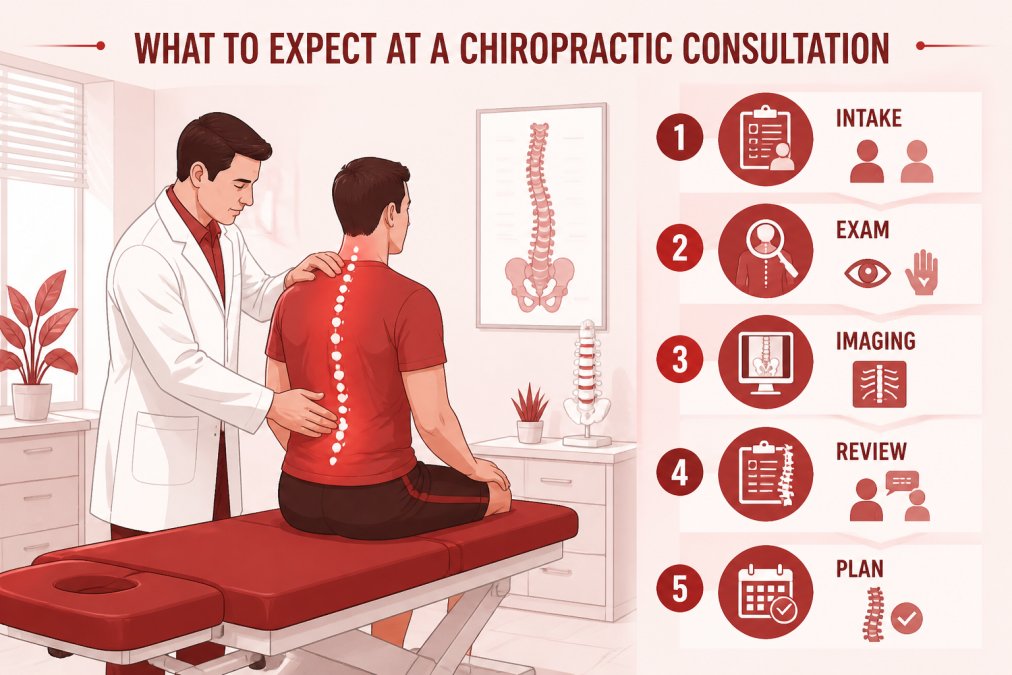
Next comes a physical examination. The chiropractor will assess your spinal alignment, range of motion, and neurological function. You may be asked to perform specific movements or positions to identify which motions trigger pain. Orthopedic tests help pinpoint whether the problem is disc-related, nerve-related, or joint-related.
Imaging review is critical. If you have recent MRI or CT scans, the clinician will review them during your consultation. If you don't have imaging, one may be recommended. Sarasota Disc Center offers a free MRI review as part of the initial consultation process, which allows the specialist to see exactly what's happening with your discs and nerves.
The consultation concludes with a treatment recommendation. If you're a candidate, you'll learn how many sessions are typically needed, how often you'd come in, and what results you might expect. You'll also have the opportunity to ask questions about the process, timeline, and any concerns.
Spinal Decompression Treatment Duration and Session Structure
Treatment duration varies based on your condition, but most patients complete 12-20 sessions over 4-6 weeks. Sessions typically occur 3-5 times per week initially, then taper as you improve. Each session lasts 30-45 minutes, with the actual decompression phase taking 20-30 minutes.
CALL TODAY TO SCHEDULE YOUR FREE CONSULTATION →
A typical session begins with warm-up therapy, often ultrasound or electrical stimulation to prepare the area. You then lie on the motorized traction table, where straps secure your pelvis and torso. The table gradually applies traction force, which you'll feel as a gentle pulling sensation. Most patients find this comfortable and even relaxing.
The decompression phase is programmed specifically for your condition. The angle, force, duration, and frequency of stretches are customized based on your diagnosis and tolerance. The table then slowly releases the traction, and you may receive additional therapy like heat or massage before leaving.
Progress is monitored throughout treatment.
How to Book Your Spinal Decompression Consultation
Booking a spinal decompression consultation involves several straightforward steps. The process is designed to get you the information and care you need without unnecessary delays.
Step 1: Gather Your Medical Information
Before contacting a clinic, collect relevant medical records. This includes any MRI or CT imaging reports, past chiropractic or physical therapy summaries, and a list of current medications. If you've seen other specialists, their notes are helpful too.
Step 2: Contact the Clinic
Call or visit the clinic's website to schedule an appointment. Many clinics offer phone consultations to answer preliminary questions before you come in. Ask about the consultation process, whether imaging is needed, and what to bring.
Step 3: Schedule Your Free MRI Review
If Sarasota Disc Center offers a free MRI review, this is an excellent first step. You can often submit your imaging online or bring it to the appointment. The clinician will review your scans and provide initial feedback about whether decompression might be appropriate for your condition.
Step 4: Prepare for Your First Appointment
Wear comfortable clothing that allows easy movement, as you'll be assessed physically. Arrive 10-15 minutes early to complete intake paperwork. Bring your insurance card and photo ID.
Spinal Decompression vs. Surgery: Why Conservative Care Matters
Surgery is often presented as the inevitable next step when conservative care fails. However, spinal decompression offers a middle path, one that addresses the underlying mechanical problem without the risks and recovery time of surgical intervention.
Insurance, Billing, and Payment Considerations
Insurance coverage for spinal decompression varies significantly by plan and provider. Some insurance plans cover it fully or partially when medically necessary. Others classify it as experimental or elective and deny coverage. The only way to know your coverage is to contact your insurance company directly.
Frequently Asked Questions
How do I know if I am a candidate for spinal decompression therapy?
Candidacy for spinal decompression depends on your specific diagnosis and medical history. Generally, patients with lumbar disc herniation, cervical radiculopathy, sciatica, degenerative disc disease, or spinal stenosis may benefit from this non-invasive treatment. Patients who have failed conservative care like physical therapy, chiropractic adjustment, or medication often see good results. However, certain conditions, such as severe osteoporosis, active infection, or pregnancy, may exclude you. The only way to determine if you're a candidate is through a professional consultation with a qualified provider who can review your medical records and imaging.
What happens during a spinal decompression consultation?
During your initial consultation, the provider will review your medical history, discuss your symptoms, and perform a neurological examination to assess nerve function and spinal alignment. You may be asked about your pain levels, what treatments you've already tried, and how the condition affects your daily life. If you have recent MRI or X-ray images, bring them for review. The provider will explain how spinal decompression works, outline a personalized treatment plan if you're a candidate, and answer your questions about the process, timeline, and what to expect during sessions.
How long does a typical spinal decompression treatment take?
Spinal decompression treatment duration varies based on your condition and response to therapy. Most treatment protocols involve multiple sessions scheduled over several weeks to months. Individual therapeutic sessions typically last 30 to 45 minutes, though the exact duration depends on your treatment plan. Some patients see improvement within 2 to 4 weeks, while others may require 6 to 8 weeks or longer. Your provider will establish a specific schedule during your consultation and adjust it based on your progress and how your body responds to the negative intradiscal pressure created during treatment.
Is non-surgical spinal decompression covered by insurance?
Insurance coverage for non-surgical spinal decompression varies significantly by plan, carrier, and your specific diagnosis. Some insurance plans do cover FDA-cleared decompression therapy when medically necessary, while others may classify it as experimental or not covered. Coverage often depends on whether you've exhausted conservative care options first, such as physical therapy or chiropractic care. Your best approach is to contact your insurance provider directly with your diagnosis code and ask about coverage. The clinic can also help verify your benefits and explain payment options if insurance doesn't cover the full cost of treatment.