 blog
blog
Chronic Sciatica Pain Relief Options: A 2026 Guide
Table of Contents
- Understanding Chronic Sciatica Pain Relief Options
- Medications and Topical Treatments for Nerve Pain
- Sciatica Exercises and Stretches for Daily Relief
- Sciatica Home Remedies and Self-Care Strategies
- Non-Surgical Sciatica Treatment: Beyond Physical Therapy
- How Long Does Sciatica Treatment Duration Last?
- Lifestyle Changes and Mental Health Support for Chronic Pain
- Conclusion: Finding the Right Relief Plan for You
- Frequently Asked Questions
Last Updated: October 5, 2026
Understanding Chronic Sciatica Pain Relief Options
Chronic sciatica pain relief options work best when they target the root cause, not just the symptom. Sciatica is nerve pain that travels along the sciatic nerve, the body's longest nerve, which runs from the lower back through the hips and down each leg. When something presses on that nerve, you feel it.
At Sarasota Disc Center, we have helped patients across Sarasota and Manatee Counties manage this exact problem since 1992. Many arrive after months of physical therapy or medication that never addressed the source of their nerve compression.
Acute sciatica often settles within a few weeks. Chronic sciatica is different. It lingers past the typical healing window, sometimes for months or years. That is when a broader plan matters.
Below, we break down the full range of chronic sciatica pain relief options, from medication and stretching to non-surgical treatment and lifestyle changes.
Medications and Topical Treatments for Nerve Pain
Over-the-counter pain relievers are the most common first step. Non-steroidal anti-inflammatory drugs, often called NSAIDs, include ibuprofen and naproxen. They reduce swelling around the nerve, which can ease nerve irritation.
Topical treatments offer another route. Creams with lidocaine or capsaicin numb the surface and calm nerve pain signals. They work well for people who want to avoid pills.
Prescription options exist for stronger cases. Doctors may suggest muscle relaxants, nerve-pain medications, or steroid injections. Each carries trade-offs, so a doctor should guide that choice.
A few practical points:
- NSAIDs help most with nerve inflammation, not muscle tightness
- Topical creams can be used alongside oral medication
- Long-term NSAID use carries stomach and kidney risks
- Injections may offer short-term relief but rarely fix the underlying cause
Medication manages symptoms. It does not correct a herniated disc or spinal misalignment. That distinction matters for anyone dealing with chronic pain.
Sciatica Exercises and Stretches for Daily Relief
Daily stretching keeps the sciatic nerve from staying compressed. Gentle movement improves blood flow, reduces stiffness, and supports spinal alignment over time.
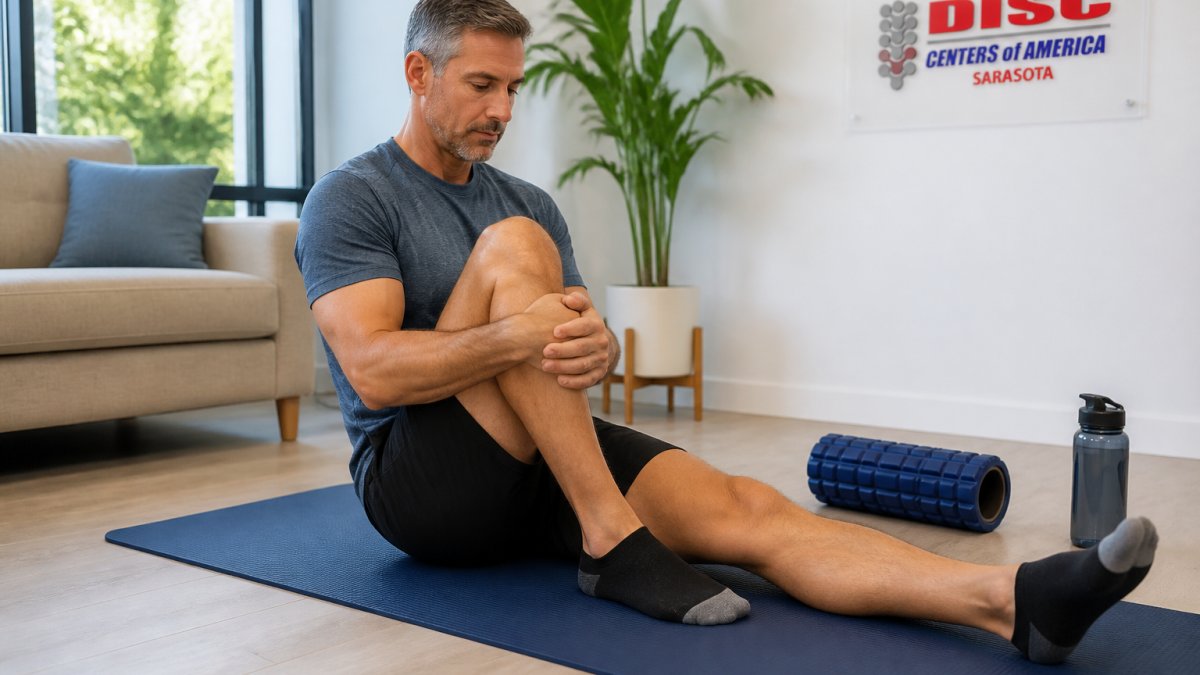
A few stretches many people find helpful:
- Knee-to-chest: Lie on your back and pull one knee toward your chest
- Piriformis stretch: Cross one leg over the other and gently pull
- Seated spinal twist: Rotate your torso while seated to loosen the lower back
- Cat-cow: Move between arching and rounding your spine on all fours
Hold each stretch for 20 to 30 seconds. Stop if pain sharpens. A physical therapist can tailor a routine to your specific nerve irritation.
Exercise is not a cure on its own. It works best as part of a conservative treatment plan that also addresses the source of compression.
Sciatica Home Remedies and Self-Care Strategies
Self-care for chronic sciatica is not about doing more, it is about doing the right things in the right sequence. The goal is to reduce nerve inflammation, keep the nerve gliding freely, and avoid positions that re-compress it.
Heat and cold, used with intent. Cold therapy constricts blood vessels and dampens the swelling that irritates a compressed nerve root. Use a cold pack for 15 to 20 minutes at a time during the first 48 hours of a flare, with at least an hour between applications.
Sleep positioning that takes pressure off the nerve. Nighttime is when most people lose ground, because eight hours in a bad position can undo a day of good habits. Side sleeping with a pillow between the knees keeps the hips stacked and the lumbar spine neutral, which reduces rotation through the lower back.
Movement snacks instead of long sits. Prolonged sitting raises pressure inside the lumbar discs, and that pressure is what feeds nerve compression. Standing up every 30 minutes, even for 60 seconds, interrupts that load. Short, frequent walks are usually better tolerated than one long walk, because they keep the nerve moving without provoking it.
TENS units. A transcutaneous electrical nerve stimulation unit delivers low-voltage current through pads on the skin. The prevailing theory is that it scrambles pain signals before they reach the brain, which is why some people feel relief during use but not after.
Acupuncture. Some patients report meaningful relief from acupuncture for chronic low back and leg pain. Results vary widely, and it works best as an add-on to a plan that also addresses the source of compression.
Ergonomics at home and at work. A chair with real lumbar support, not a decorative cushion, keeps the natural inward curve of the lower back intact. Feet should rest flat, hips slightly higher than knees, and the screen at eye level so you are not craning forward.
None of these remedies correct a herniated disc or spinal misalignment. They buy comfort and protect the nerve while you pursue treatment that targets the cause.
Non-Surgical Sciatica Treatment: Beyond Physical Therapy
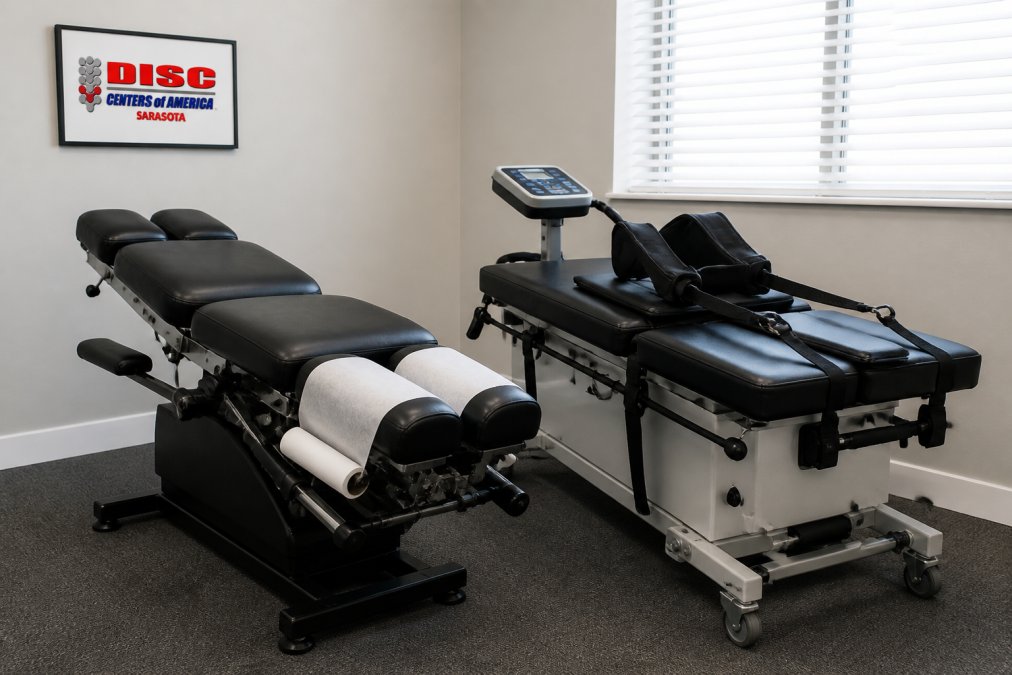
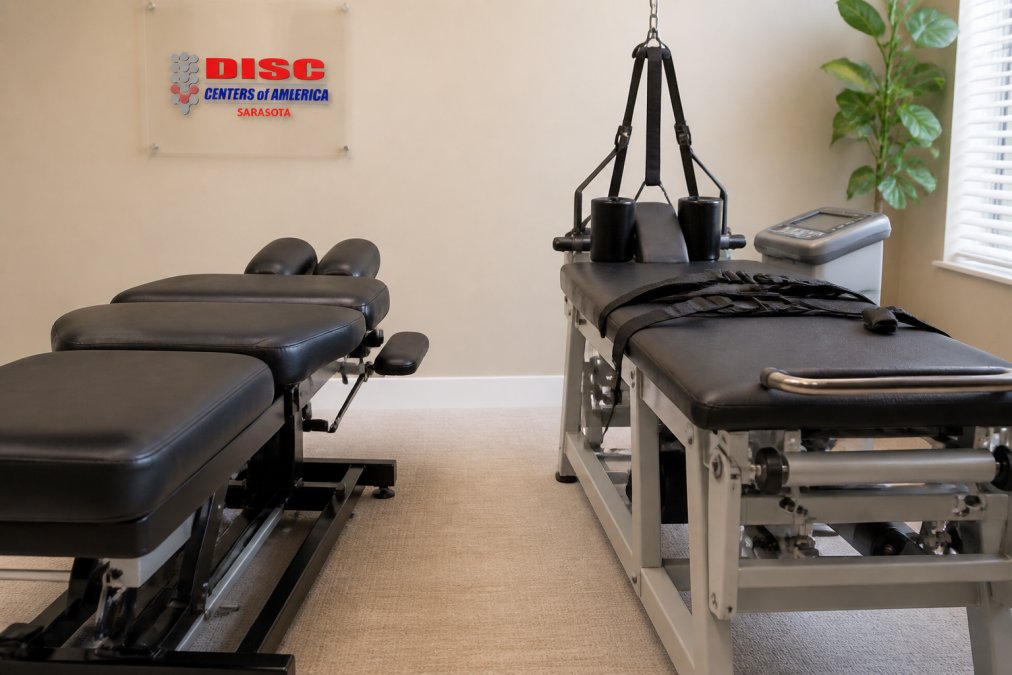
Non-surgical sciatica treatment includes options beyond stretching and medication. Spinal decompression is one of the most effective for disc-related nerve compression.
CALL TODAY TO SCHEDULE YOUR FREE CONSULTATION →
This treatment gently stretches the spine, which creates negative pressure inside the discs. That pressure can pull a herniated disc back into place and let nutrients flow back in. The goal is to relieve nerve compression at its source.
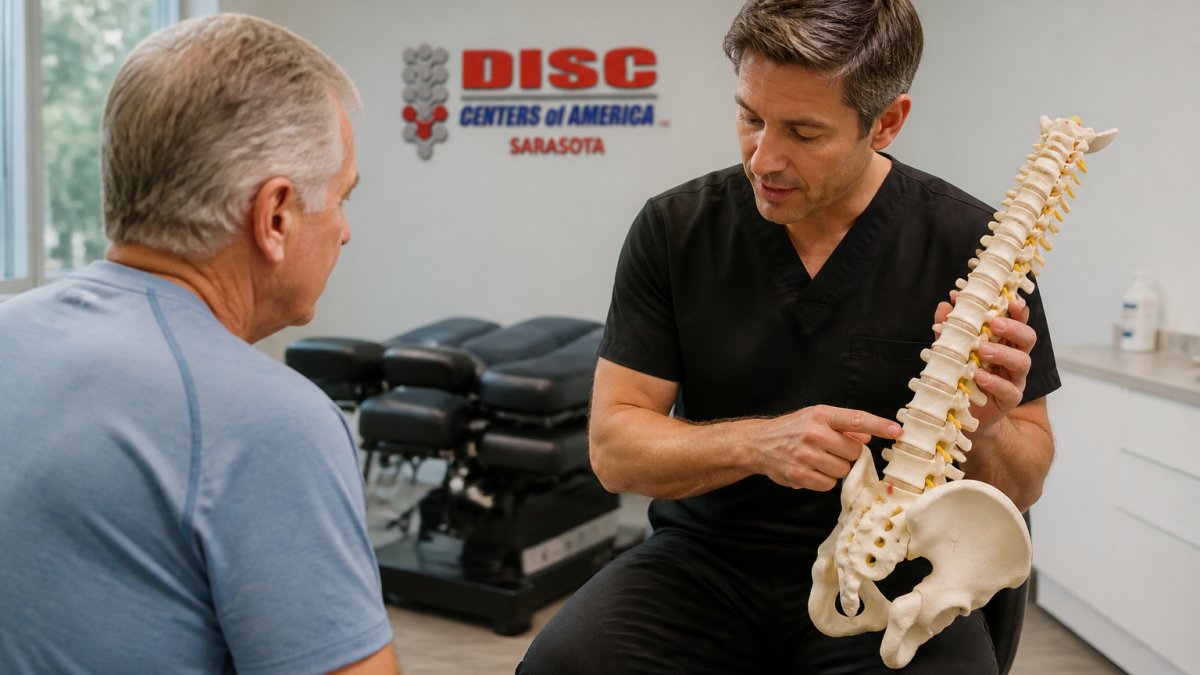
Sarasota Disc Center specializes in this approach. Led by Dr. David Cifra, our clinic uses advanced, non-invasive technology to target the source of disc and nerve pressure. For patients who have tried physical therapy or medication without lasting results, this offers a different path.
Other non-surgical options include:
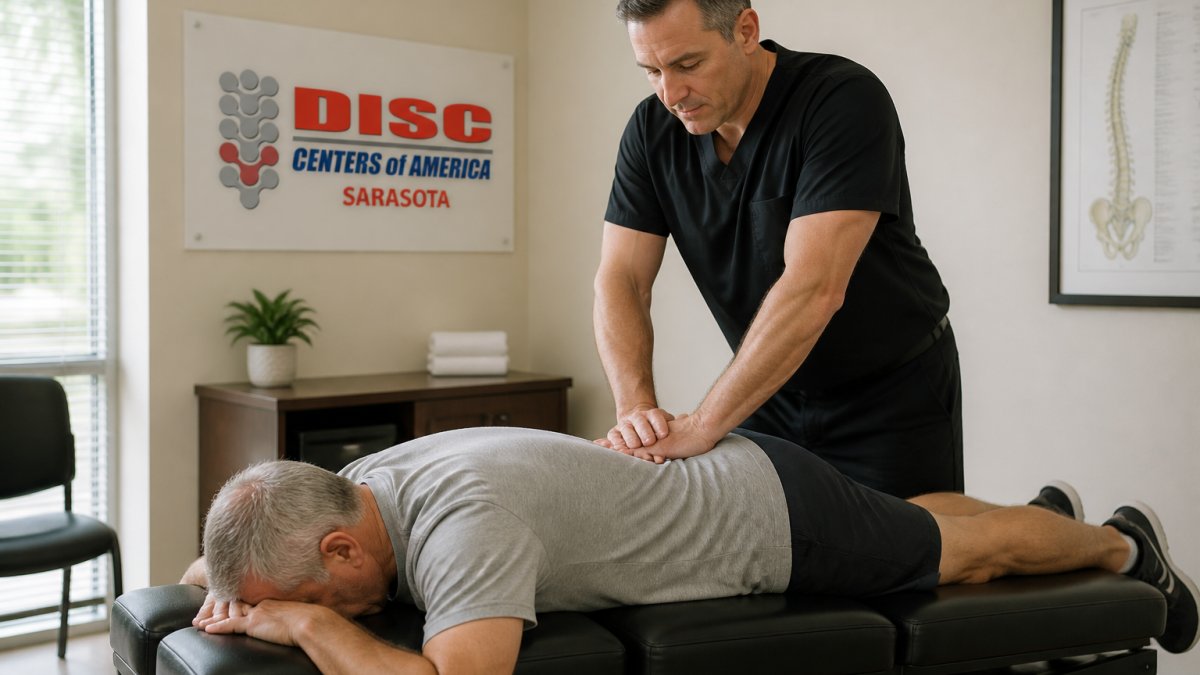
- Chiropractic adjustments for spinal alignment
- Massage therapy to release muscle tension
- Epidural steroid injections for short-term relief
- Acupuncture for pain management Consistent application of these techniques helps manage nerve irritation, and understanding the specific massage therapy benefits can provide a clearer picture of how soft tissue manipulation supports long-term spinal health.
Surgery remains an option for severe cases, but many people find relief without it.
How Long Does Sciatica Treatment Duration Last?
Sciatica treatment duration varies by cause and severity. Acute cases often improve within four to six weeks. Chronic cases that involve a herniated disc may need several months of consistent care.
Most conservative treatment plans combine several methods. You might stretch daily, use heat or cold as needed, and attend regular decompression sessions. Progress is usually gradual.
What affects how long treatment takes:
- The cause, such as a herniated disc or spinal stenosis
- How long you have had symptoms
- How consistent you are with self-care
- Your overall health and activity level
A common mistake is quitting a plan too early. Nerve tissue heals slowly. Give any treatment enough time to work before judging it.
Lifestyle Changes and Mental Health Support for Chronic Pain
Most guides to sciatica stop at the spine. That is a mistake, because chronic pain is a whole-body condition. Pain that lasts for months rewires how the nervous system processes signals, disrupts sleep, changes what you eat, and wears down mood. Treating only the disc while ignoring those downstream effects is why so many people plateau.
Sleep hygiene is pain management. Poor sleep lowers your pain threshold, the same stimulus hurts more after a bad night. That creates a loop: pain wakes you up, poor sleep makes the pain worse, and the cycle tightens. Beyond the pillow-between-the-knees positioning covered above, keep a consistent sleep and wake time, keep the room cool and dark, and avoid screens and caffeine in the hours before bed.
Anti-inflammatory nutrition. NSAIDs work by blunting inflammation, and diet can support or undercut that same goal. Foods commonly associated with lower systemic inflammation include fatty fish (salmon, sardines, mackerel), leafy greens, nuts, olive oil, and berries. On the other side, refined sugar, heavily processed foods, and excess alcohol tend to promote the inflammatory environment that keeps a nerve irritated.
The mental health side nobody talks about. Chronic pain and depression are deeply intertwined. Living with pain that will not quit breeds anxiety about the next flare, frustration at plans you cannot keep, and a low mood that makes stretching, walking, and showing up to appointments feel pointless. That is not weakness, it is a predictable response to a nervous system stuck in a threat state.
What actually helps:
- Cognitive behavioral therapy (CBT). A well-established approach for chronic pain that targets the thoughts and behaviors that amplify suffering. Many practitioners consider it a core part of chronic pain care, not an optional extra.
- Pain psychology or pain management programs. Specialized clinicians who work specifically with persistent pain, often alongside physical treatment.
- Support groups. Peer connection reduces the isolation that chronic pain creates. The American Chronic Pain Association maintains patient resources and local support listings.
- Relaxation and breathing practices. Diaphragmatic breathing, progressive muscle relaxation, and guided meditation can lower the sympathetic "fight or flight" tone that keeps muscles guarded and pain sensitized.
- Realistic pacing. Alternating activity and rest before pain forces you to stop prevents the boom-and-bust pattern that flares chronic sciatica.
Workplace accommodations. For desk workers, small changes often ease pain more than people expect. A chair with adjustable lumbar support, a footrest if your chair is too high, a monitor at eye level, and a habit of standing every 30 minutes all reduce sustained load on the lower back. If your employer offers ergonomic assessments, use them. If you drive for a living, a lumbar cushion and scheduled stretch breaks make a measurable difference over a long shift.
If low mood or anxiety has become persistent, talk to a primary care provider or a mental health professional. Addressing it is not a detour from pain relief, it is one of the most reliable ways to get it.
Conclusion: Finding the Right Relief Plan for You
Chronic sciatica rarely improves with a single fix. The best results come from combining medication, stretching, self-care, and treatment that targets the cause of nerve compression.
If physical therapy or medication has not given you lasting relief, non-surgical spinal decompression may help. Sarasota Disc Center offers personalized care from Dr. David Cifra, advanced technology that targets disc and nerve pressure, and conservative options for patients who want to avoid surgery.
Call us for a FREE MRI Review and Consultation to find out whether decompression is right for your case.
Frequently Asked Questions
What are the common causes of sciatica pain?
Sciatica usually stems from nerve compression in the lower back. A herniated disc, bone spurs, or spinal stenosis can press on the sciatic nerve, causing pain that radiates down the leg. Other causes include piriformis syndrome, where a muscle in the buttock irritates the nerve, or injuries from heavy lifting. In many cases, the underlying issue is a combination of disc degeneration and inflammation, which is why a thorough evaluation matters for lasting relief.
Can naproxen be used to treat sciatica?
Naproxen is a non-steroidal anti-inflammatory drug (NSAID) that can reduce nerve inflammation and ease mild to moderate sciatica pain. It is often used short-term for flare-ups. However, it does not address the root cause, such as a herniated disc or spinal misalignment. For chronic sciatica, NSAIDs may be part of a broader plan that includes physical therapy, stretching, and non-surgical treatments like spinal decompression. Always talk to a doctor before using naproxen regularly.
How long does non-surgical sciatica treatment take to work?
Sciatica treatment duration varies based on the cause and severity. Some people feel relief from conservative care like stretching and cold therapy within a few weeks. For chronic cases involving disc compression, a structured program such as spinal decompression may take four to six weeks of regular sessions before noticeable improvement. Recovery is gradual, and sticking with the plan is key. A qualified professional can give you a more specific timeline after an exam.
When should I see a doctor for persistent sciatica?
See a doctor if your sciatica lasts more than a few weeks, worsens over time, or interferes with daily activities. Seek immediate care if you experience sudden weakness in your leg, loss of bladder or bowel control, or numbness in the groin area, as these can signal a serious condition. For chronic pain that has not responded to home remedies and self-care, a consultation can help you explore non-surgical options like spinal decompression before considering surgery.