 Ultimate guide
How to Choose an Advanced Spinal Decompression Technology
Last Updated: November 7, 2026
Quick Summary
Choosing spinal decompression technology means checking how the device controls force, whether a clinician supervises each session, and whether your scan is reviewed first. Evidence is mixed, so a proper evaluation to confirm candidacy and set realistic expectations matters more than any claim made by a device maker.
- Look for programmable force control and monitoring so settings can match your diagnosis.
- Have a clinician supervise each session and review your imaging before treatment starts.
- Expect gradual improvement over a full course of care, not an immediate cure.
- Screen out recent fractures, spinal tumors, infection, pregnancy, and severe osteoporosis unless a specialist clears you.
- Get a written estimate of the full course of care and confirm your insurance coverage in advance.
Table of Contents
- What Advanced Spinal Decompression Technology Actually Does
- Does a Spinal Decompression Machine Really Work?
- Which Conditions and Symptoms Respond, and Who Should Be Screened Out
- Device Types Compared: Clinic Tables Versus Home Devices
- Spinal Decompression Machine Price and Cost Considerations
- Choosing the Best Spinal Decompression Device for Your Situation
- Booking Your Free MRI Review and Consultation at Sarasota Disc Center
- Frequently Asked Questions
Choosing a spinal decompression technology can feel overwhelming when many clinics and devices make strong claims. This guide explains how these systems work, what the evidence does and does not show, and how to decide whether one is right for your back or neck pain. In general terms, many modern units use computer-controlled traction to vary the pressure applied to the spine, and results depend on the right candidate, the device, and realistic expectations.
Spinal decompression is a non-surgical treatment in which a motorized table gently stretches the spine to reduce pressure on discs and nerve roots. Learning the mechanics first will help you judge any device you encounter.
What Advanced Spinal Decompression Technology Actually Does
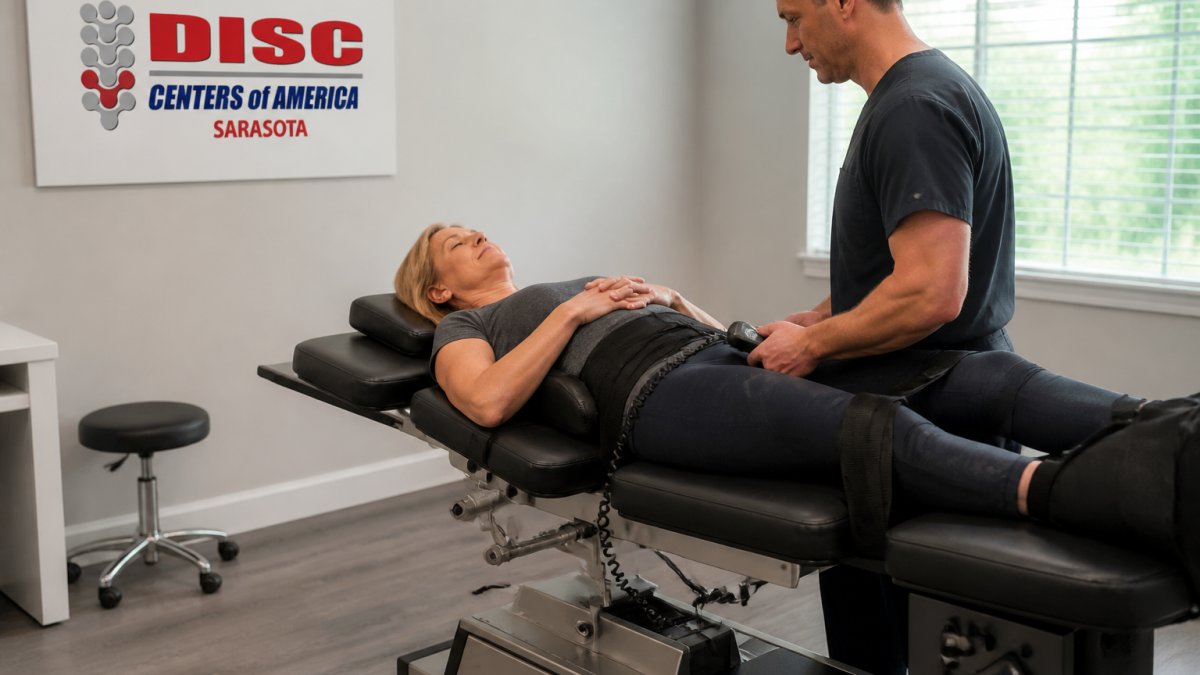
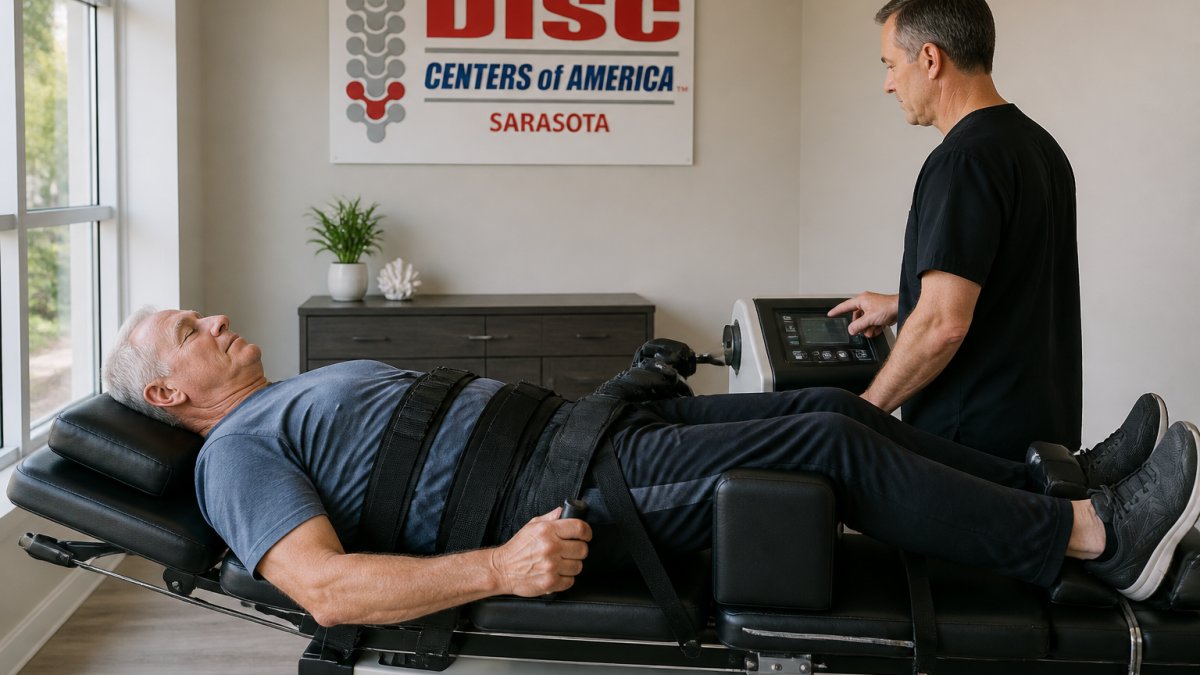
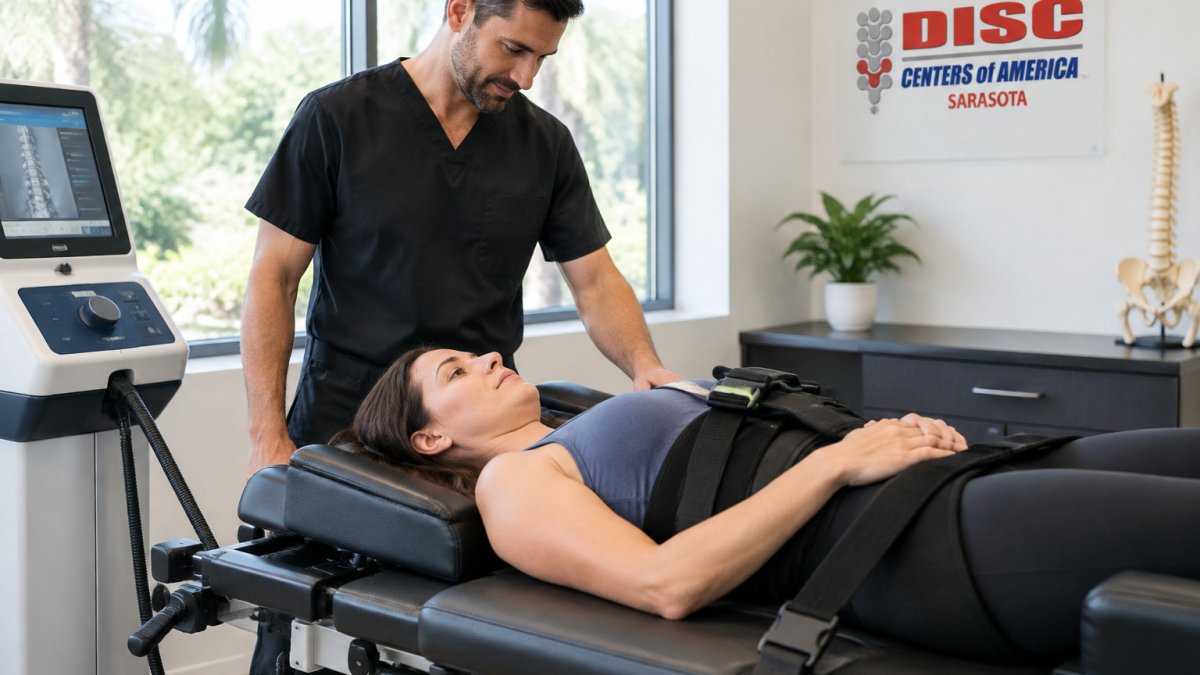
Computerized traction tables are one type of device. A patient lies on the table, which is fitted with a harness at the pelvis or neck, and the machine applies a programmed pattern of pulling and releasing forces.
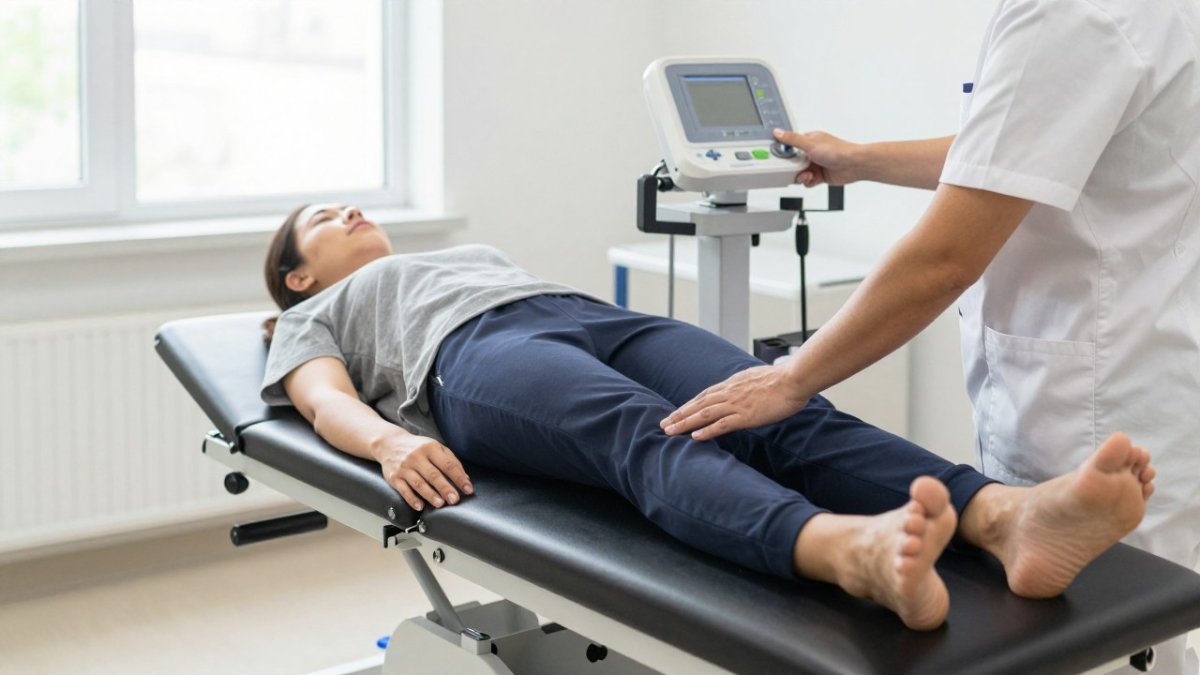
Computerized and motorized traction explained
Computerized units let the clinician set the force, the duration of each pull, the rest period between cycles, and the total session length. Some systems also monitor the force being applied and adjust it, which matters because the spine responds differently from one patient to the next. The technology is often described as "individualized," meaning the program is tailored to the patient's diagnosis, body size, and tolerance rather than run at a single fixed setting.
Negative intradiscal pressure and disc effects
The mechanism most often cited is negative intradiscal pressure. When the spine is gently stretched, the pressure inside the disc is proposed to drop, which may draw bulging or herniated material back toward the center of the disc and reduce pressure on a nearby nerve. This explanation is widely repeated in device marketing, but the strength of the supporting research varies, so treat it as a plausible hypothesis rather than settled fact.
Does a Spinal Decompression Machine Really Work?
Evidence for spinal decompression is mixed and depends on the condition being treated and the study design. Some controlled trials report pain relief and improved function for selected patients with disc-related leg pain, while other studies find outcomes similar to standard conservative care. Some clinicians report that motorized decompression helps a subset of patients who have not responded to other conservative care, while others see limited benefit.
Realistic outcomes matter more than promotional claims. A reasonable expectation is gradual improvement over a full course of care, not an immediate cure. If your symptoms do not begin to change after the initial sessions, that is useful information for deciding whether to continue.
Which Conditions and Symptoms Respond, and Who Should Be Screened Out
Decompression is considered for some patients with lower back pain radiating into the leg (sciatica), neck pain with arm symptoms, and disc-related pain from a herniated or bulging disc. Whether it fits depends on the individual's diagnosis and history, and a qualified clinician should determine candidacy.
Safety screening is an important step. A qualified provider should take a full history, perform a physical and neurological exam, and review imaging before any traction is applied. The checklist below reflects the categories most clinicians screen for; it is a conversation starter for your evaluation, not a substitute for one.
Conditions that usually rule out motorized traction unless a specialist clears them:
- Recent spinal fracture or suspected fracture
- Spinal instability, including spondylolisthesis that has not been evaluated
- Tumors of the spine or spinal cord
- Spinal infection (discitis, osteomyelitis)
- Severe osteoporosis or significant bone loss
- Abdominal aortic aneurysm or other vascular concerns in the treatment area
- Pregnancy
- Certain spinal implants or hardware, depending on the device and the implant
Symptoms that warrant urgent assessment before any treatment, including traction:
- New or worsening bowel or bladder dysfunction
- Numbness in the groin or inner thighs (saddle anesthesia)
- Rapidly progressing weakness in one or both legs
- Drop foot or difficulty lifting the front of the foot
- Unexplained weight loss, fever, or night pain that wakes you
- Pain following a fall, collision, or other trauma
Factors that do not rule out treatment but change the plan:
- Prior spinal surgery, the approach, levels, and hardware matter
- Multiple painful levels versus a single level
- Severe degenerative disc disease with collapsed disc space
- Body size and harness fit, which affect how force is delivered
- Anxiety or claustrophobia that makes lying still on the table difficult
Ask any provider who reviewed your scan, what they concluded, and what would make them stop treatment. A responsible provider will answer those questions directly and will tell you when decompression is not the right choice for your spine.
Device Types Compared: Clinic Tables Versus Home Devices
Clinic-based motorized tables are typically operated with computer-controlled programs and clinician supervision. Home devices are generally simpler in design. Some people use home traction units for mild stiffness, but they are not a substitute for a professional evaluation when you have nerve symptoms.
When comparing options, look at the following:
- Force control: Can the force be programmed and monitored?
- Program customization: Can settings be adjusted to your diagnosis?
- Clinical oversight: Who evaluates you and supervises each session?
- Imaging review: Is your scan reviewed before treatment starts?
- Documented outcomes: Does the provider measure your progress over time?
The two main device types differ in how they are operated and supervised, and the list below shows what to check when comparing them.
| Factor | What to look for | Why it matters |
|---|---|---|
| Force control | Programmable and monitored | Settings can be adjusted to your diagnosis |
| Program customization | Adjustable to your condition | Tailored rather than one fixed setting |
| Clinical oversight | Clinician supervises each session | Qualified evaluation and supervision |
| Imaging review | Scan reviewed before treatment | Confirms candidacy before traction starts |
| Documented outcomes | Progress measured over time | Shows whether care is working |
Spinal Decompression Machine Price and Cost Considerations
Cost can be unclear in decompression care. Patients should ask for a complete written estimate before starting a program. The useful questions are about your total course of care, not the sticker price of a machine.
What drives the cost of a clinic-based program:
- Number of sessions recommended and the length of each visit
- Whether the provider bundles the initial evaluation, imaging review, and re-examinations into the plan or bills them separately
- Whether decompression is combined with other services such as manual therapy, exercise instruction, or electrical stimulation
- Geographic differences in operating costs, which vary widely by market
- Whether the clinic uses a single device type or a mix of cervical and lumbar tables
Coverage questions to ask your insurer before you start:
- Is the specific procedure code the clinic will bill covered under my plan? You can check whether insurance covers spinal decompression for more detail.
- Is it covered as a chiropractic service, a physical therapy service, or something else, and does that change my benefit?
- How much of my deductible remains, and what will I owe after it is met?
- Is prior authorization required, and who submits it?
- Does the plan limit the number of visits per year for this service?
How to evaluate value rather than price:
A lower per-session price is not a better deal if the plan runs twice as long or skips the evaluation. Ask for a written estimate of the full course of care, including the evaluation, the sessions, and any re-examinations. Ask what happens financially if you stop early or if the provider recommends extending the plan. A plan with a defined reassessment point can help you decide whether a course is working before continuing.
Home devices:
Home traction units are sold at a wide range of price points, and cost alone does not indicate suitability. Anyone with nerve symptoms should have a professional evaluation before relying on a home device. If you are considering one for maintenance after a diagnosis, confirm with your provider which device type and settings are appropriate for your condition.
Watch out: be cautious of any provider who pushes a long, prepaid package before evaluating you or who will not put the full cost in writing. A responsible clinic will give you a written estimate, explain what insurance will and will not cover, and build in a reassessment point where you and your provider decide whether to continue, adjust, or stop.
Choosing the Best Spinal Decompression Device for Your Situation
No single device is best for everyone. The right choice depends on your diagnosis, how long you have had symptoms, what treatments you have already tried, and whether you have any of the conditions that call for screening out. A professional evaluation is the appropriate starting point for patients with nerve-related pain. Any home device should be discussed with a qualified provider first.
Be cautious of any provider who promises a specific result or pushes a long, prepaid package before evaluating you. A responsible plan includes a clear reassessment point, where you and your provider decide whether to continue, adjust, or stop.
Booking Your Free MRI Review and Consultation at Sarasota Disc Center
The most useful first step is an honest evaluation. Sarasota Disc Center offers a free MRI review and consultation, so you can have your imaging examined and learn whether non-surgical spinal decompression may be a reasonable option for your symptoms. You can request a consultation to start the process, and you can call or email the clinic for directions and contact details.
Bring your recent imaging, a list of treatments you have tried, and a clear description of your symptoms and how they affect daily activities. That information lets the provider give you a practical answer rather than a generic recommendation. Advanced spinal decompression technology can help some patients, but the right decision starts with a qualified assessment of your spine.
Frequently Asked Questions
Does a spinal decompression machine really work?
Evidence for spinal decompression machines is mixed. Some clinical studies report pain reduction and improved function in patients with disc herniation or chronic low back pain, while other trials find results similar to standard care or sham treatment. Outcomes depend on the diagnosis, the patient's symptoms, and the protocol used. Ask any provider for the published research behind their device and what results they measure. A consultation with a qualified clinician can determine whether this approach fits your condition.
What is the best spinal decompression device?
No single device is best for every patient. Clinic-based motorized tables are typically operated with programmable settings and clinician supervision. Home units are generally simpler in design. The right choice depends on your diagnosis, prior treatment, and whether a professional should guide your care. Ask any provider about the documented features and clinical support behind their device.
How much does a spinal decompression machine cost?
Pricing depends on whether you are receiving treatment in a clinic or buying equipment for home use, the number of sessions or the device specifications, and your insurance coverage. Sarasota Disc Center has not published a standard price list here. For current pricing or a quote for your situation, contact the office directly or visit the website. Ask whether your plan covers the service and whether payment options are available if it does not.