 ultimate-guide
Spinal Decompression for Older Adults: What Works
Table of Contents
- Understanding Spinal Decompression for Older Adults
- How Non-Surgical Spinal Decompression Benefits Seniors
- Lumbar Spinal Stenosis Treatment for Seniors: Why Decompression Works
- Spinal Decompression vs. Traditional Surgery and Conservative Care
- What to Expect: Spinal Decompression Recovery Time and Timeline
- Preparing Your Home and Life for Spinal Decompression Treatment
- Is Spinal Decompression Right for You? Key Considerations
- Conclusion
- Frequently Asked Questions
Last Updated: October 2, 2026
Understanding Spinal Decompression for Older Adults
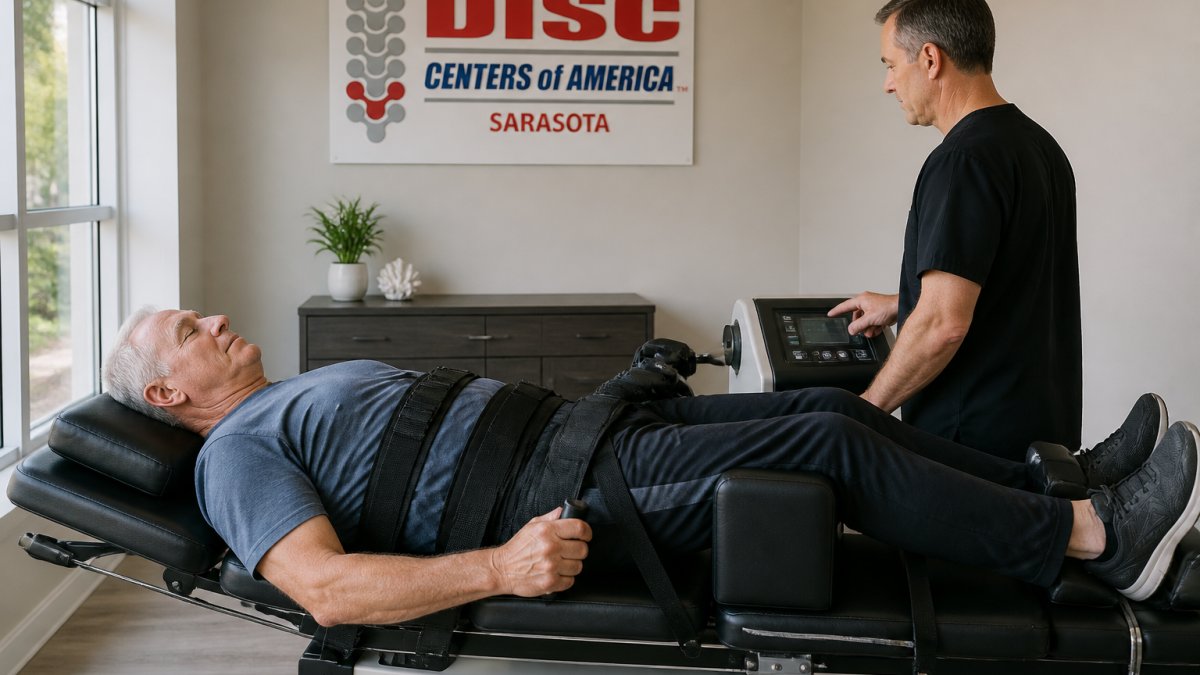
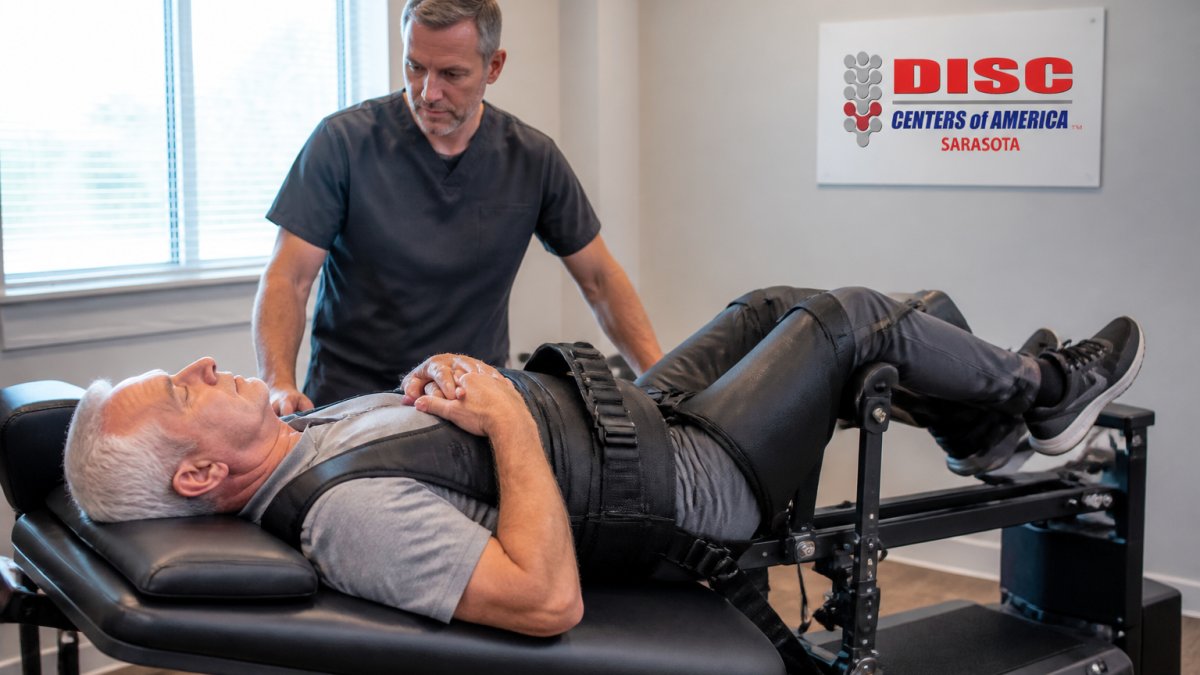
Spinal decompression for older adults is a non-surgical treatment that relieves pressure on nerves and spinal discs by gently stretching the spine, creating space for healing. This approach addresses the root cause of pain rather than just masking symptoms with medication or injections. At Sarasota Disc Center, we specialize in non-surgical spinal decompression to provide lasting relief for patients suffering from chronic back pain, neck pain, herniated discs, and sciatica. Our clinic utilizes advanced, non-invasive technology to target the source of nerve and disc pressure, helping patients restore mobility and avoid surgery. (Source: the National Institute on Aging)
The concept is straightforward but effective: when discs degenerate, bone spurs develop, or ligaments thicken, they compress nerve roots. This compression causes radiating pain, numbness, and weakness.
How Non-Surgical Spinal Decompression Benefits Seniors
Non-surgical spinal decompression offers distinct advantages for the aging population. The treatment avoids the risks associated with general anesthesia, surgical complications, and lengthy recovery periods that can be especially challenging for patients with multiple health conditions.
Lumbar Spinal Stenosis Treatment for Seniors: Why Decompression Works
Lumbar spinal stenosis, narrowing of the spinal canal in the lower back, is one of the most common reasons older adults seek treatment. The condition develops gradually as discs lose hydration, vertebrae shift slightly, and ligaments calcify. Nerve root compression follows, causing pain that radiates down the legs, often worse with walking or standing.
Spinal Decompression vs. Traditional Surgery and Conservative Care
The choice between decompression, traditional open surgery, and conservative management depends on severity, patient health status, symptom duration, and presence of neurological warning signs. Each approach has distinct trade-offs that older adults must understand to make informed decisions.
Conservative Care (Physical Therapy, NSAIDs, Epidural Injections)
Spinal Decompression (Non-Surgical Mechanical Stretching)
Traditional Open Surgery (Decompressive Laminectomy or Fusion)
Surgery is appropriate when:
- Stenosis is severe (canal diameter <10 mm on imaging) and causing significant functional impairment
- Neurological deficits are progressive (worsening weakness, loss of bowel/bladder control)
- Cauda equina syndrome is present (surgical emergency requiring urgent decompression)
- Conservative treatment and decompression have failed and symptoms remain disabling
- The patient is medically optimized and surgical risk is acceptable
Red Flags Requiring Urgent Surgical Evaluation
Certain symptoms indicate that decompression or conservative care are insufficient and surgery may be necessary:
- Progressive leg weakness despite conservative treatment
- Loss of bowel or bladder control (cauda equina syndrome)
- Severe, unrelenting pain unresponsive to any treatment
- Rapid neurological deterioration
- Spinal instability on imaging (spondylolisthesis, severe kyphosis)
The Sequential Approach
What to Expect: Spinal Decompression Recovery Time and Timeline
Recovery from spinal decompression is fundamentally different from surgical recovery because there's no tissue trauma to heal. Instead, the timeline reflects how long it takes the spine to rehydrate and inflammation to resolve.
Preparing Your Home and Life for Spinal Decompression Treatment
Successful spinal decompression requires more than showing up for appointments. Optimizing your physical health, home environment, and support system before treatment begins accelerates healing and improves outcomes. This pre-treatment preparation phase is often overlooked but significantly impacts results.
CALL TODAY TO SCHEDULE YOUR FREE CONSULTATION →
Physical Pre-Habilitation
- Core strengthening: Gentle exercises that activate abdominal and back muscles reduce spinal strain. Pelvic tilts, bird dogs, and dead bugs (performed on a mat, 10-15 repetitions) build stability without aggravating stenosis. Avoid heavy lifting or high-impact activity.
- Flexibility work: Gentle stretching of hip flexors, hamstrings, and calves reduces compensatory strain on the lower back. Hold stretches for 20-30 seconds, 2-3 times daily.
- Walking tolerance: Establish a baseline walking distance that doesn't trigger severe pain. Gradually increase this distance by 10% weekly. Better cardiovascular fitness supports healing and reduces post-treatment deconditioning.
- Posture awareness: Practice neutral spine positioning in sitting and standing. Poor posture compresses the spine and undermines decompression therapy.
Nutritional Optimization
- Protein intake: Aim for 1.0-1.2 grams per kilogram of body weight daily (Protein Requirements and Recommendations for Older People: A Review). Adequate protein supports muscle preservation and tissue repair. Older adults often consume insufficient protein; supplementing with Greek yogurt, eggs, fish, or protein powder helps meet targets.
- Anti-inflammatory foods: Fatty fish (salmon, sardines), berries, leafy greens, and olive oil reduce systemic inflammation. Limit processed foods, refined sugars, and excess saturated fat, which promote inflammation.
- Hydration: Intervertebral discs absorb water and rehydrate during decompression. Drinking 8-10 glasses of water daily supports this process. Adequate hydration also improves cognitive function and reduces fatigue during treatment.
- Micronutrients: Vitamin D (1000-2000 IU daily), magnesium (300-400 mg daily), and calcium (1000-1200 mg daily) support bone health and nerve function. Many older adults are deficient; supplementation may be warranted.
Mental and Cognitive Preparation
- Realistic timeline expectations: Understand that improvement takes 8-12 weeks, not days. Expecting immediate relief leads to discouragement and early treatment dropout. Improvement is typically gradual.
- Pain catastrophizing reduction: Older adults with chronic pain often develop anxiety and catastrophic thinking ("This will never get better"). Cognitive behavioral techniques, challenging negative thoughts, focusing on small improvements, reduce anxiety and improve outcomes.
- Mindfulness and stress management: Chronic stress increases pain perception and slows healing. Practicing 10-15 minutes of daily meditation, deep breathing, or gentle yoga reduces stress hormones and supports recovery.
- Cognitive screening: If you have a history of cognitive impairment, dementia, or significant anxiety, discuss this with your treatment provider. Some older adults experience mild post-operative delirium or anxiety during treatment; awareness allows your care team to monitor and support you.
Home Environment Modifications
Your physical space either supports or undermines healing:
- Seating: Replace soft couches with firm chairs that support the lumbar spine. Ergonomic office chairs with adjustable lumbar support are ideal. When sitting, feet should rest flat on the floor with knees at 90 degrees. Avoid recliners that flatten the spine or cause excessive hip flexion.
- Sleeping setup: Side sleeping with a pillow between the knees reduces spinal strain and is ideal for stenosis. Back sleeping with a pillow under the knees works for some patients. Stomach sleeping should be avoided; it twists the spine unnaturally. Invest in a medium-firm mattress if your current mattress is sagging or overly soft.
- Workstation ergonomics: If you work at a desk, position your monitor at eye level, keyboard at elbow height, and chair with lumbar support. Poor ergonomics during treatment undermines decompression benefits.
- Daily activity modifications: Avoid heavy lifting (anything over 10 pounds) during treatment. Bending should originate from the hips, not the waist. Reaching overhead strains the spine; keep frequently used items at waist height. Use a reacher or grabber tool for items on high shelves.
- Transportation: Long car rides aggravate spinal stenosis. If driving is necessary, take breaks every 30 minutes to stand and stretch. Lumbar support cushions reduce strain during drives.
- Safety and fall prevention: Install grab bars near stairs and in bathrooms. Clear pathways of tripping hazards (throw rugs, clutter). Ensure adequate lighting, especially on stairs and in hallways. Falls during treatment can delay healing significantly.
Caregiver Coordination and Support
- Communication: Explain to your caregiver what decompression is, why you're pursuing it, and what the timeline looks like. Caregivers who understand the process provide better support.
- Appointment logistics: Arrange reliable transportation to appointments. Missing sessions disrupts the treatment course and delays improvement. If driving yourself is difficult, ask a caregiver to drive or arrange medical transportation.
- Activity support: During the first 4-6 weeks of treatment, ask caregivers to help with heavy household tasks (vacuuming, laundry, yard work). This allows you to focus on healing rather than aggravating your spine.
- Emotional support: Chronic pain is emotionally taxing. Caregivers who listen without judgment, celebrate small improvements, and encourage adherence significantly improve outcomes. Some patients benefit from support groups for chronic pain or spinal conditions.
- Medication management: If you take multiple medications, ask your caregiver to help organize them. Missed doses of pain medication or anti-inflammatory drugs can slow progress.
Pre-Treatment Checklist
Two weeks before your first decompression appointment:
- Complete pre-habilitation exercises for 2-4 weeks
- Optimize nutrition and hydration
- Arrange reliable transportation to all appointments
- Modify your home for safety and spinal support
- Discuss treatment plan with your primary care physician
- Brief your caregiver on the treatment timeline and support needs
- Set realistic expectations and identify your functional goals
- Gather any recent imaging (MRI, CT scans) to bring to your first appointment
Is Spinal Decompression Right for You? Key Considerations
Not every patient is a candidate for decompression therapy. Several factors determine whether this treatment is appropriate for your situation.
Conclusion
Spinal decompression for older adults offers a genuine alternative to surgery for those suffering from nerve compression, stenosis, and degenerative disc disease. The treatment addresses the root cause, reducing pressure on nerves, without surgical risks or extended recovery. Most patients experience progressive improvement over 8-12 weeks, with many achieving lasting relief that allows them to return to activities they thought were lost.
Frequently Asked Questions
Is non-surgical spinal decompression safe for seniors?
Non-surgical spinal decompression is generally considered safe for older adults when performed by qualified professionals. The treatment applies gentle, progressive traction to decompress the spine without incisions or anesthesia. However, safety depends on individual health status, co-morbidities, and proper patient screening. A consultation with a healthcare provider familiar with your medical history is essential to determine whether this approach is appropriate for you.
How long does spinal decompression recovery time typically take?
Recovery from non-surgical spinal decompression differs from surgical recovery. Most patients begin experiencing relief within 2-4 weeks of starting treatment, though the full course typically involves regular sessions. Unlike surgical recovery, which can take months, non-surgical decompression generally allows you to return to daily activities without significant downtime. Continued improvement often continues for several weeks after treatment ends as the spine heals naturally.
Can spinal decompression help with lumbar spinal stenosis treatment for seniors?
Yes, spinal decompression is specifically designed to address lumbar spinal stenosis by gently reducing pressure on nerves and the spinal cord. Stenosis occurs when bone spurs, thickened ligaments, or herniated discs narrow the spinal canal, compressing nerve roots. Decompression therapy gradually widens this space, reducing nerve compression and the pain, numbness, and functional disability that accompany stenosis. Many seniors with stenosis respond well to this approach.
How is spinal decompression different from physical therapy or chiropractic adjustments?
Physical therapy strengthens muscles around the spine to improve stability, while chiropractic adjustments address joint alignment. Spinal decompression targets the source of pain directly: it reduces pressure on nerves and discs through controlled traction. For patients who have not found relief through PT or adjustments alone, decompression offers a distinct mechanism, mechanically relieving disc and nerve compression rather than relying on muscle strengthening or joint manipulation.